Our Agents Ran Our Launch-Week Analytics
Ten Reddit threads, 501 comments, a Product Hunt page, GitHub traffic and PostHog funnels — read, cross-referenced, and reported by a hive of agents. The workflow, and how to point it at your own launch.
Tag
85 posts tagged Multi-Agent.
Ten Reddit threads, 501 comments, a Product Hunt page, GitHub traffic and PostHog funnels — read, cross-referenced, and reported by a hive of agents. The workflow, and how to point it at your own launch.
Version bumps, changelog entries, release notes in plain language, site updates, and link checks — the release chores that always slip are exactly the work a hive does well. The workflow behind our seven-releases-in-eight-days week.
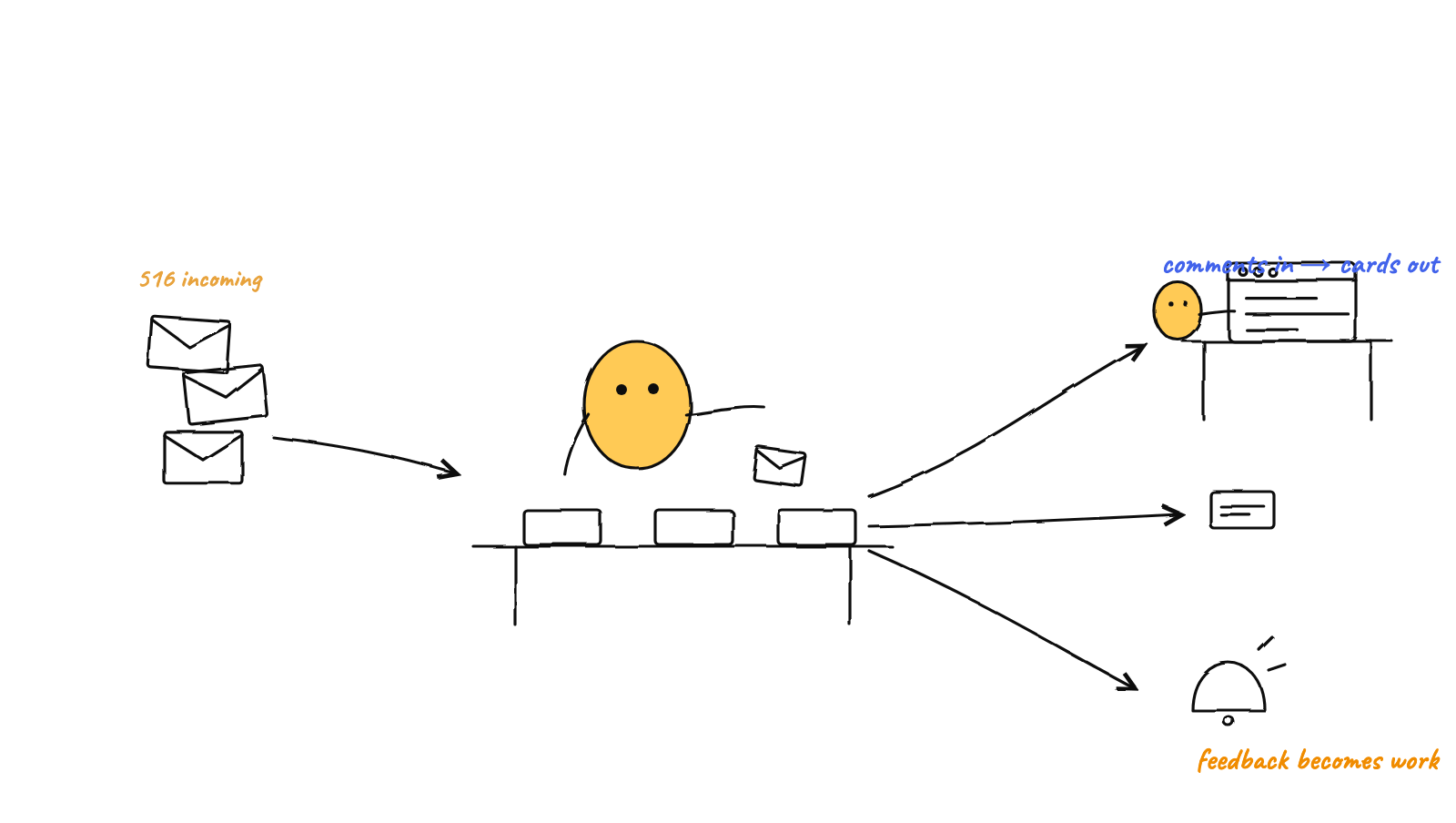
516 Reddit comments, 27 Product Hunt threads, GitHub issues and Discord — launch week buries you in feedback that decays if unprocessed. The agent workflow that turned ours into a ranked backlog, with receipts.
Everything that shipped between v0.3.3 and v0.3.7 — a Michael who knows the floor and runs the app by voice, a git time-machine in the IDE, nine agent engines, a queue that respects your draft, Node that installs itself, and the auto-update bug that had been silently broken since the day we shipped it.
The v0.3.4 + v0.3.5 wave: voice orchestration with live floor context and full app control, markdown previews everywhere, commit history and branch compare in the built-in IDE, a six-tab Settings redesign, xAI Grok and Kimi Code engines, auto-update, and a queue that always has an escape hatch.
An honest comparison of YC's qm and OFFYCE: both orchestrate fleets of CLI coding agents with security postures, scheduled background work, and Slack — one as a headless multiplayer harness for teams, one as a local-first desktop office with real terminals, voice, and a built-in IDE.
CrewAI, AutoGen (now Microsoft Agent Framework), and LangGraph are frameworks — Python you write to build your own agent system. A multi-agent harness is an app you download that runs a team on your repos today. Here's how to tell which one you actually need.
How GitHub Copilot CLI and Claude Code behave as agent engines inside a multi-agent harness: hooks, inbox mail, orchestration, session lifecycle — and why the right answer is to run both.
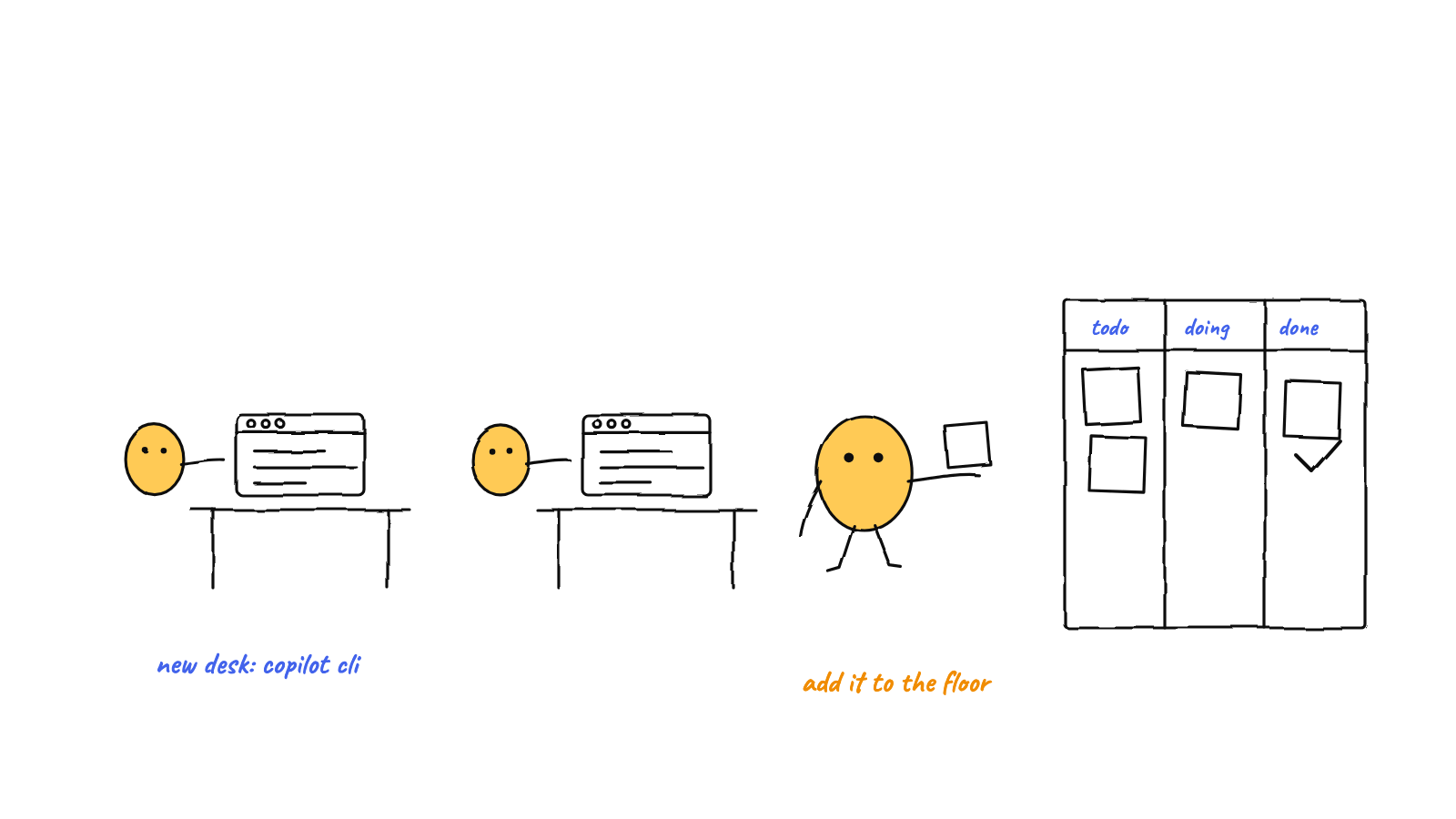
A step-by-step v0.3.3 walkthrough: install GitHub Copilot CLI (or let the harness install it for you), hire a Copilot worker, pick a model, and know exactly what print mode can and can't do.
A practical guide to OFFYCE's Agent Gallery: browse six off-the-shelf hires, import one from a link or file, review the pre-filled manifest, customize identity, workspace, engine, and briefing — then spawn it yourself.
A practical guide to briefing OFFYCE's GOD orchestrator: state the goal not the steps, set constraints and budgets, name the deliverable, and let Michael staff the floor. With bad-vs-good brief examples, mid-run steering, and Talk mode.
OFFYCE v0.3.3 adds a full Monaco IDE — file tree, editor tabs, save, and side-by-side git diffs of your agents' changes — plus GitHub Copilot CLI as a first-class agent engine, our first community-contributed provider.
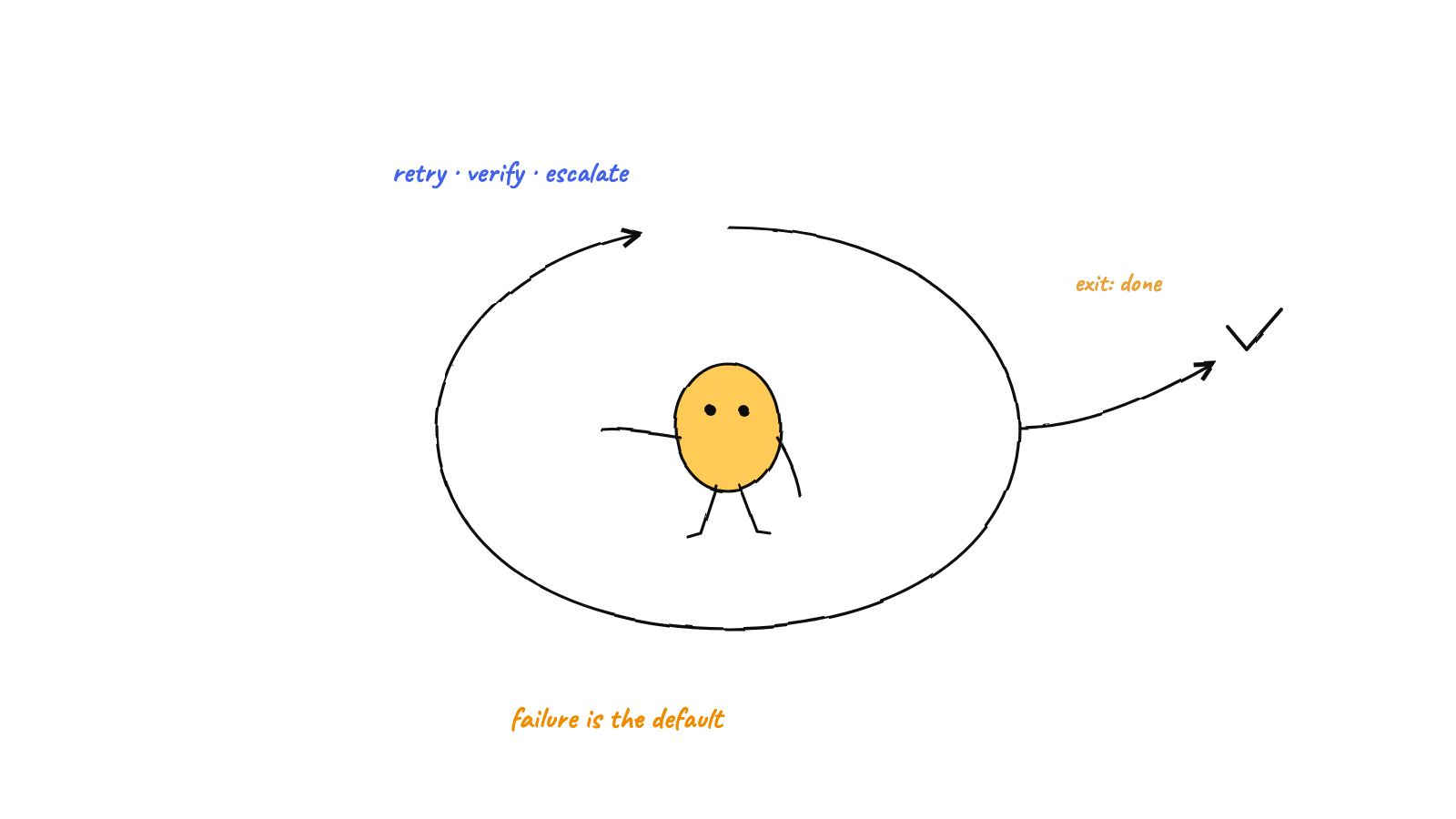
Everyone engineers the prompt; almost nobody engineers the loop around it. Stop conditions, drain loops, retry with backoff, compaction cycles, breaker escalation, budgets, and human gates — the outer-loop mechanics that make an agent converge instead of run away.
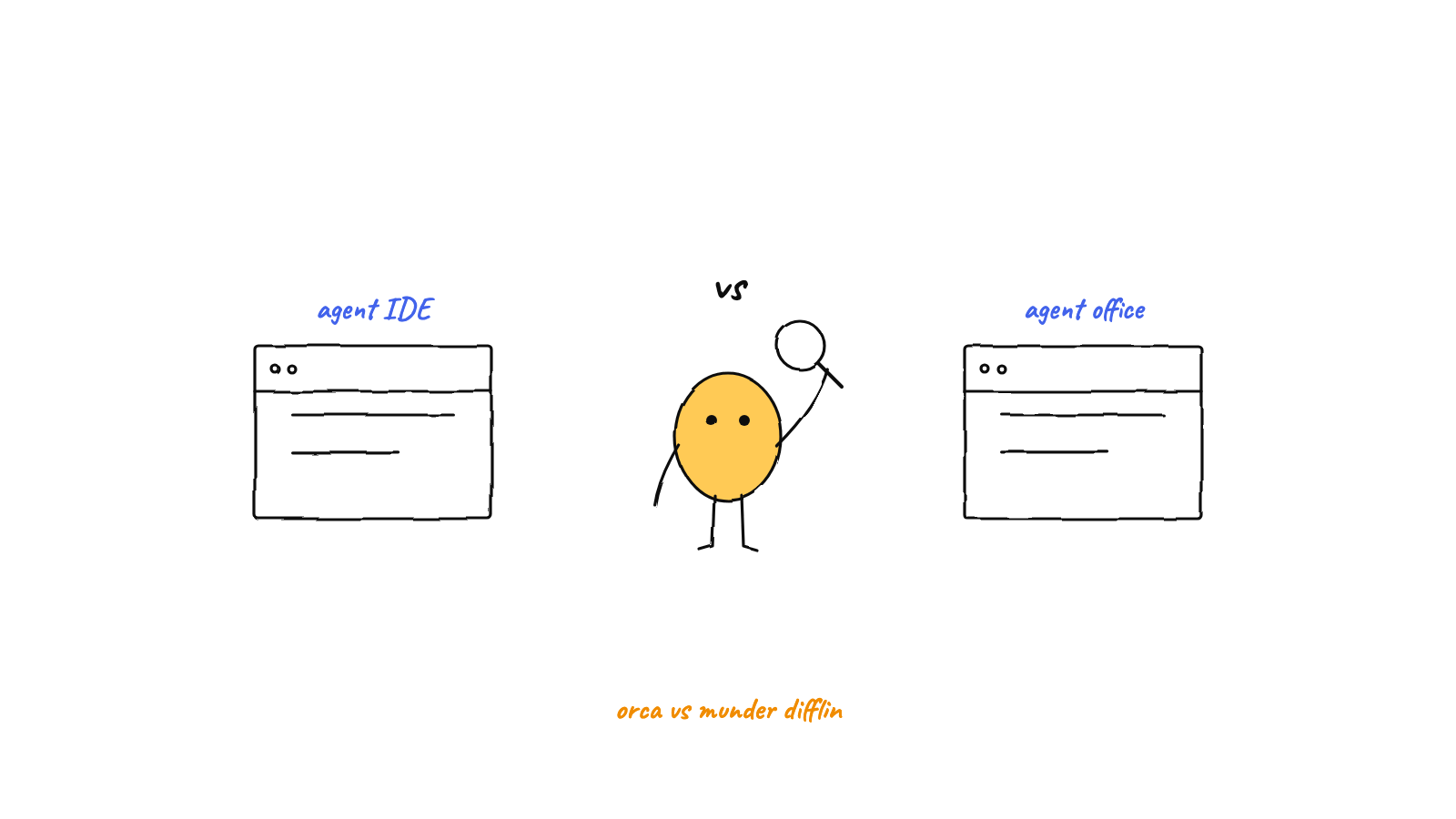
Orca is a YC-backed Agent IDE for driving coding agents side by side in isolated worktrees. OFFYCE is an agent office that runs itself. An honest comparison of the two — and when each one is the right pick.
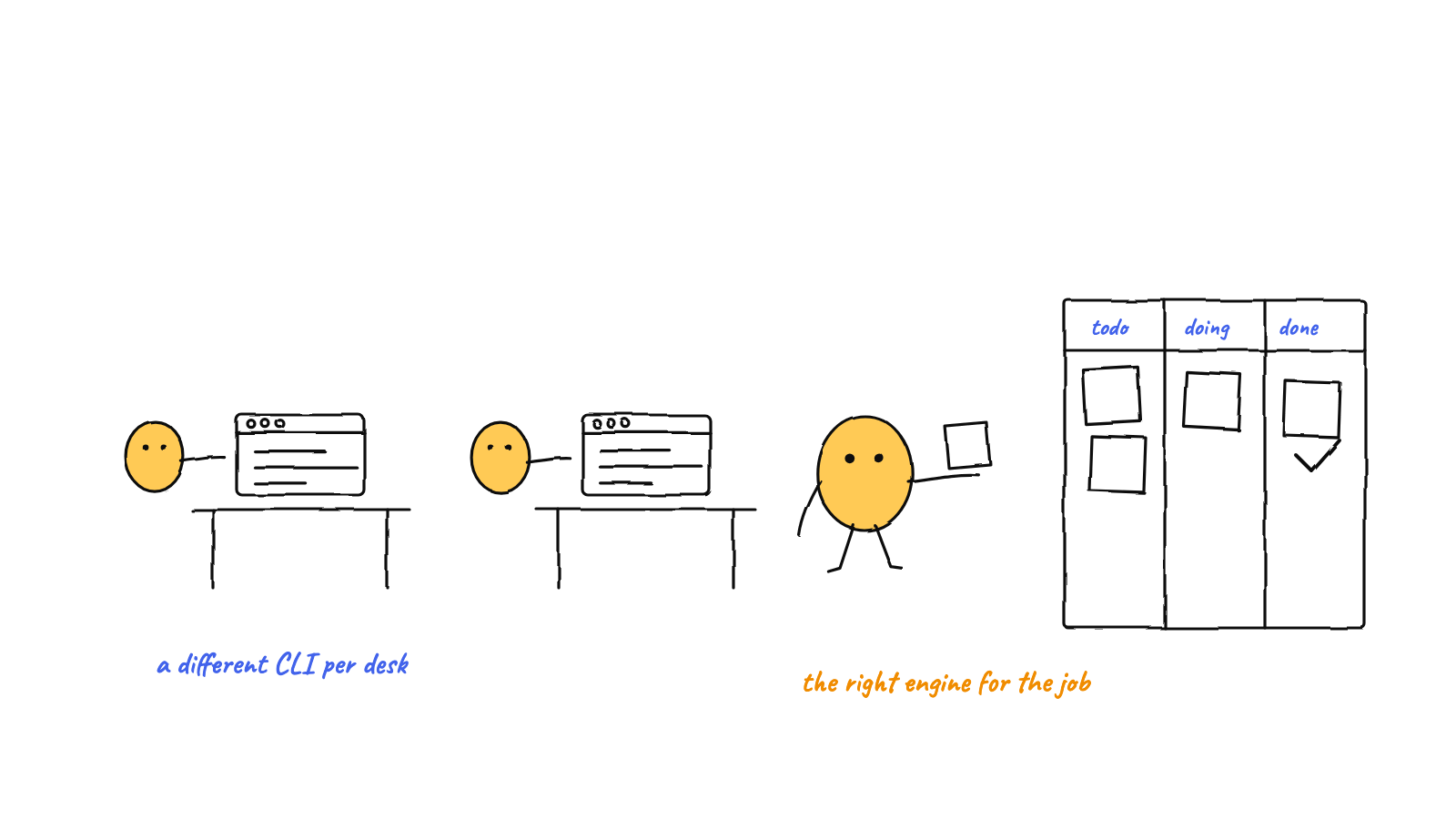
A practical guide to mixing agent engines on one OFFYCE floor: Claude Code as orchestrator, Codex for coding bursts, Copilot for dispatched tasks, and OpenCode/Crush/pi.dev for BYOK keys and local models.
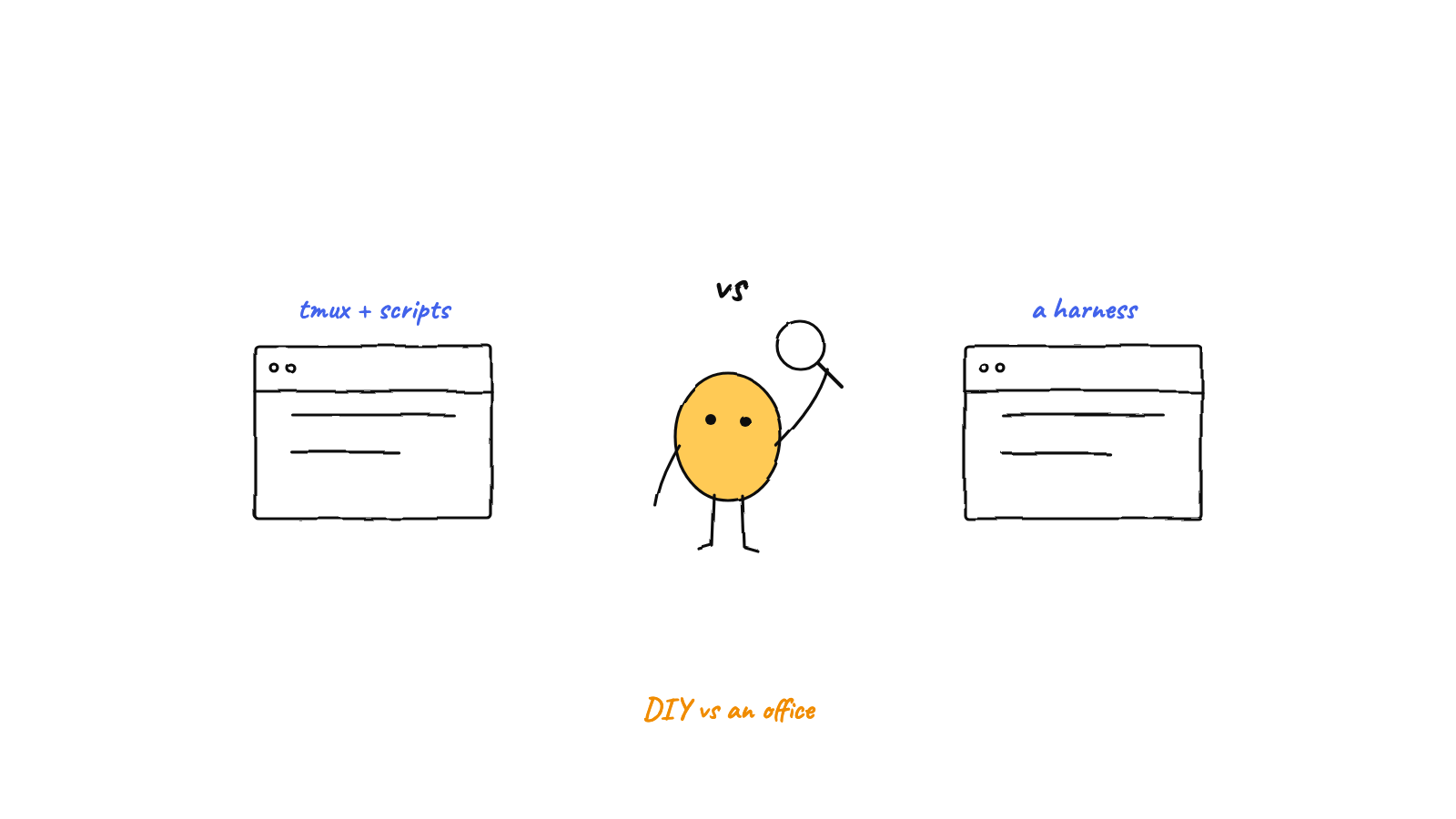
tmux panes, git worktrees, shell scripts, and cron will absolutely run several Claude Code sessions at once. Here's what that DIY setup does well, where it breaks at scale, and what a purpose-built agent harness automates.
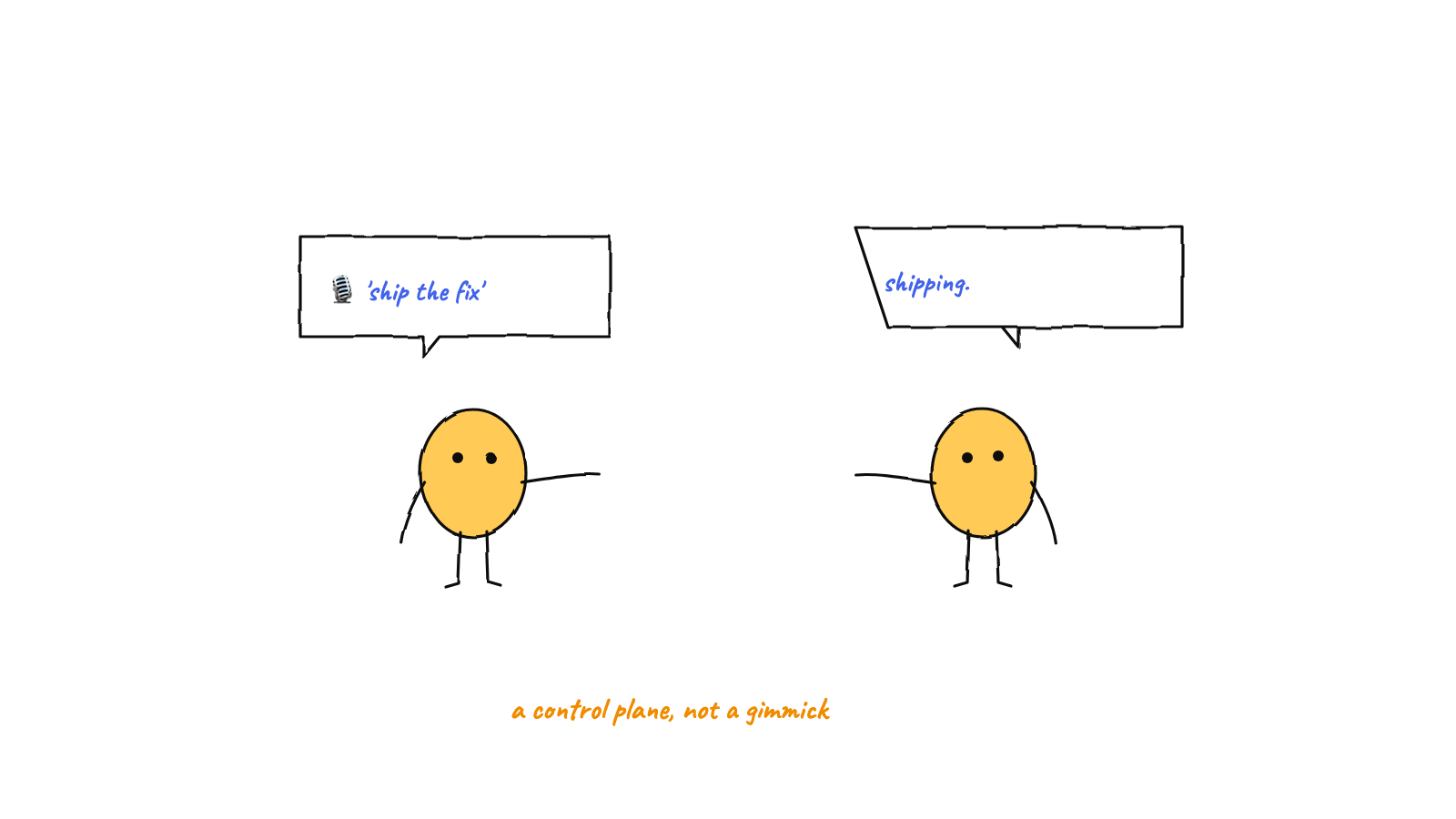
Voice is a terrible way to write code and a great way to run a fleet. Why low-bandwidth commands over high-bandwidth work is the right split — with OFFYCE's Talk mode (echo-back confirmation, spend caps, michael-voice attribution) as the case study.
ADE means two things in 2026: a platform for building agents (Letta's sense) and a workspace for shipping code with fleets of coding agents (Orca's sense). Here's the full tooling map — chat IDEs, agent CLIs, agent IDEs, and agent harnesses — and how to pick.
Harness engineering is the discipline of building everything around the model — PTY plumbing, lifecycle hooks, mailboxes, memory, budgets, human gates, observability — because that's where agent reliability actually comes from. A definition, and four case studies from inside OFFYCE.
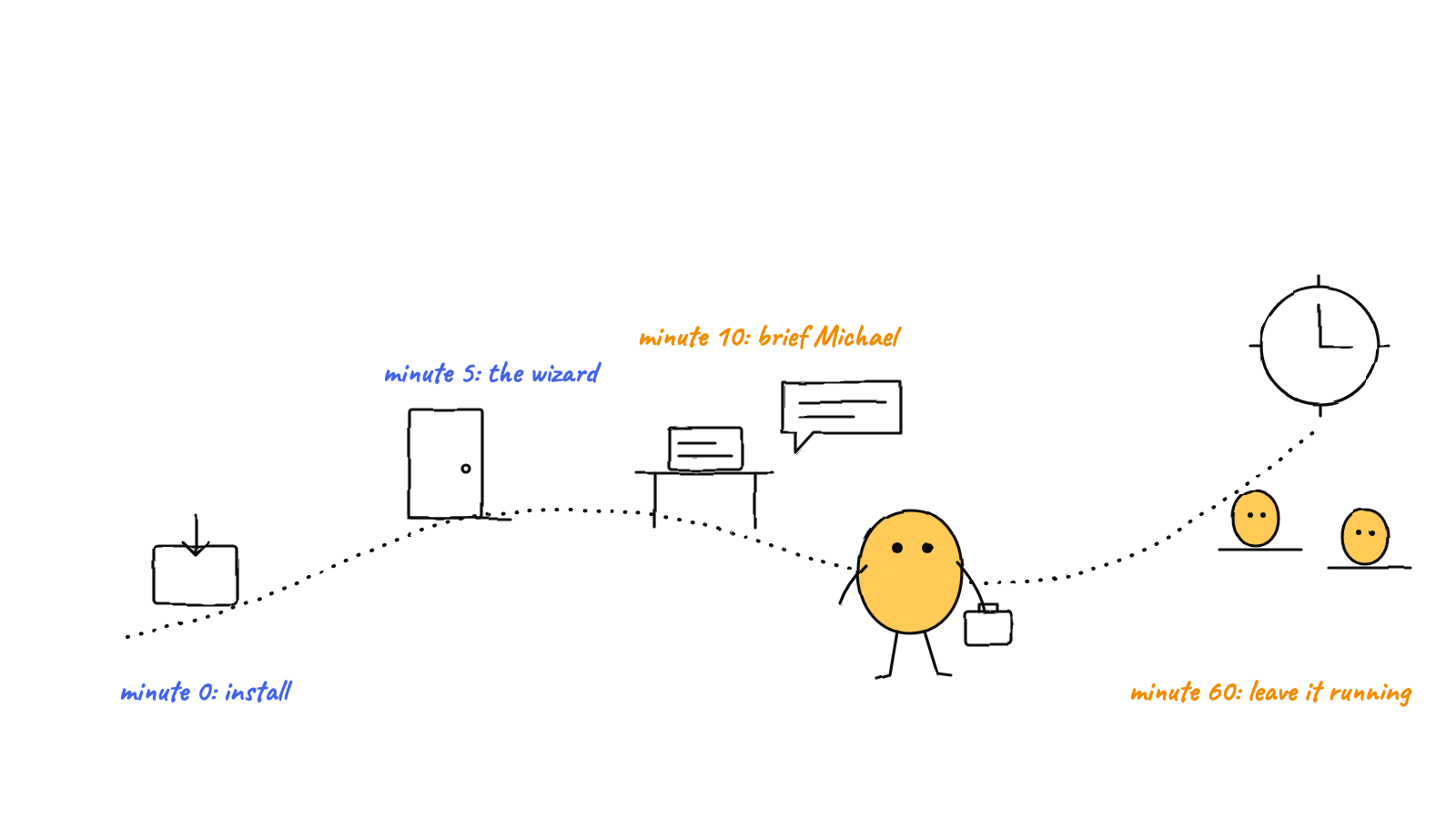
A minute-by-minute walkthrough of your first hour with OFFYCE: install, the onboarding wizard, your first brief to Michael, watching the floor, approving your first escalation, and leaving a schedule running.
OFFYCE v0.3.2 adds Realtime Michael — a low-latency voice channel to the GOD orchestrator. Talk to Michael and he listens, answers, and acts: reading the hive and, behind spoken echo-back confirmation, dispatching, spawning, and steering the floor in real time.
OFFYCE v0.3.0 makes every hire — and Michael himself — a pluggable engine, adds an integrations registry with a write-only secret broker, and lets the god orchestrator spawn an ephemeral worker straight from Slack.
OFFYCE v0.2.8 ships Shareable Hires: a one-click, portable agent role manifest + The Hiring Fair gallery. Click a hire link, review every field, then spawn it yourself.
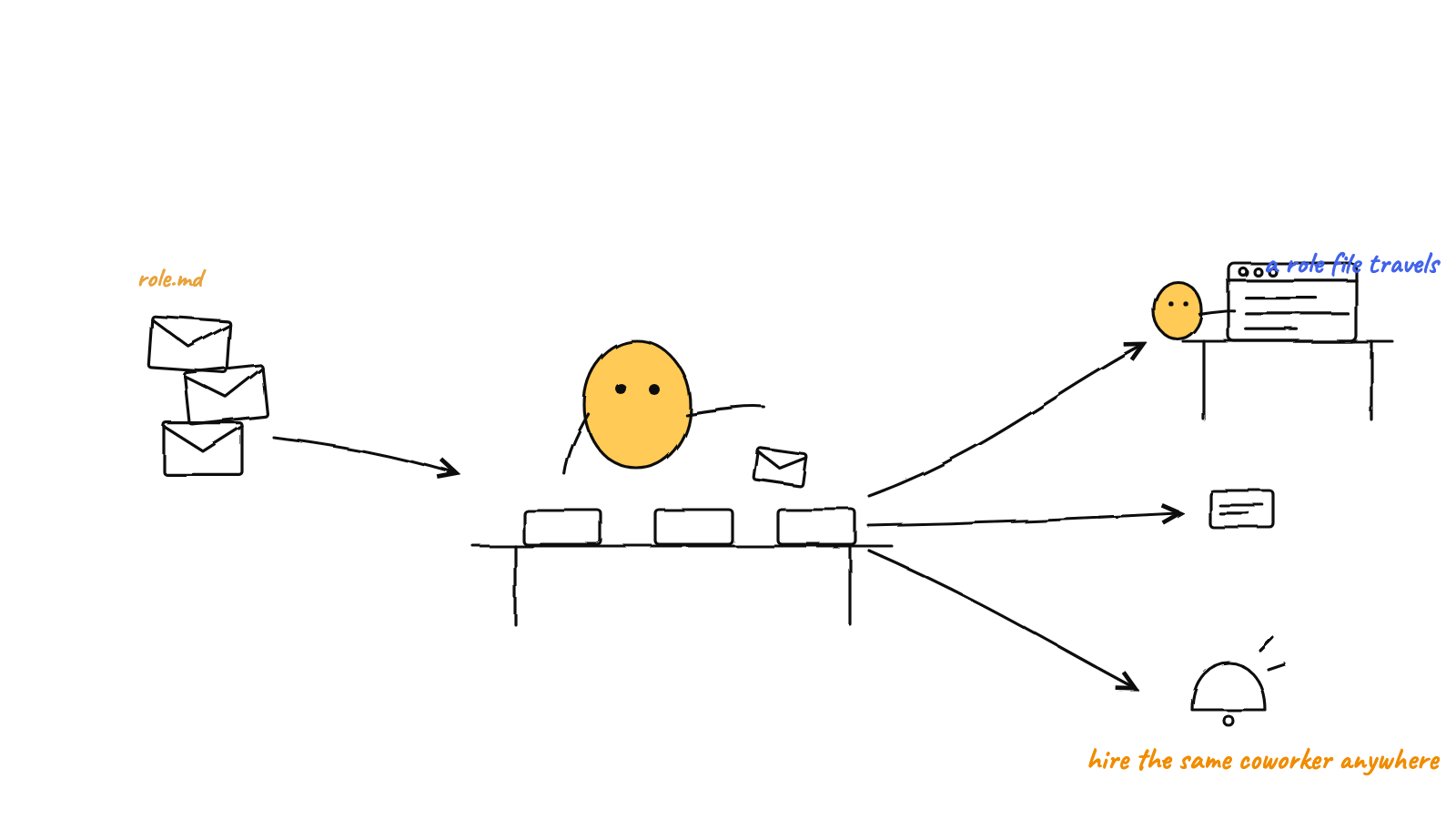
Why agent roles should be portable: what a hire manifest encodes, how one-click hiring stays safe, and how The Hiring Fair turns tacit setup into a shareable artifact.
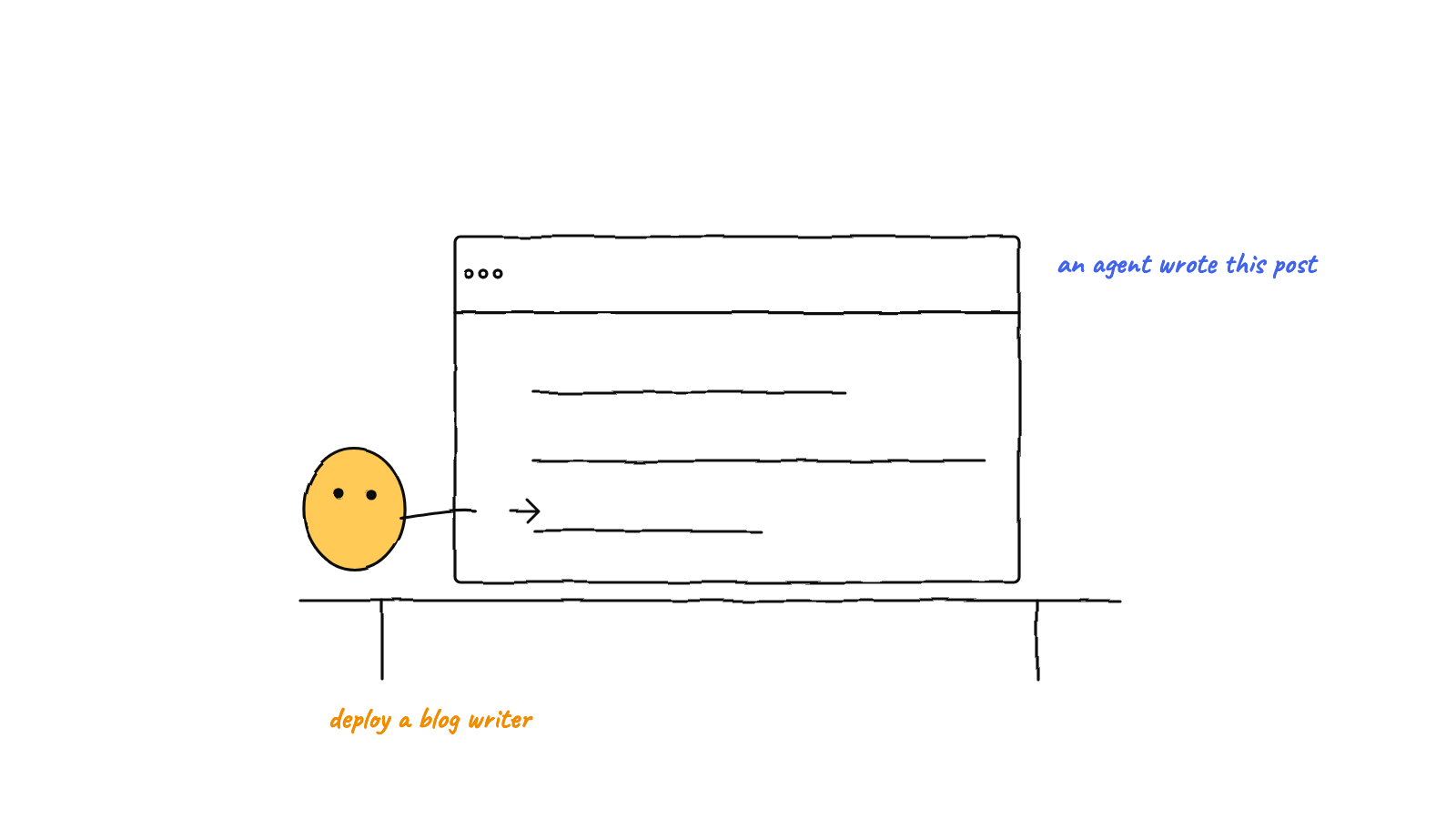
How OFFYCE's blog is written by an automated writer agent in the hive — drafts in a worktree, single-committer integration, Eleventy build, human-gated deploy. Build your own.
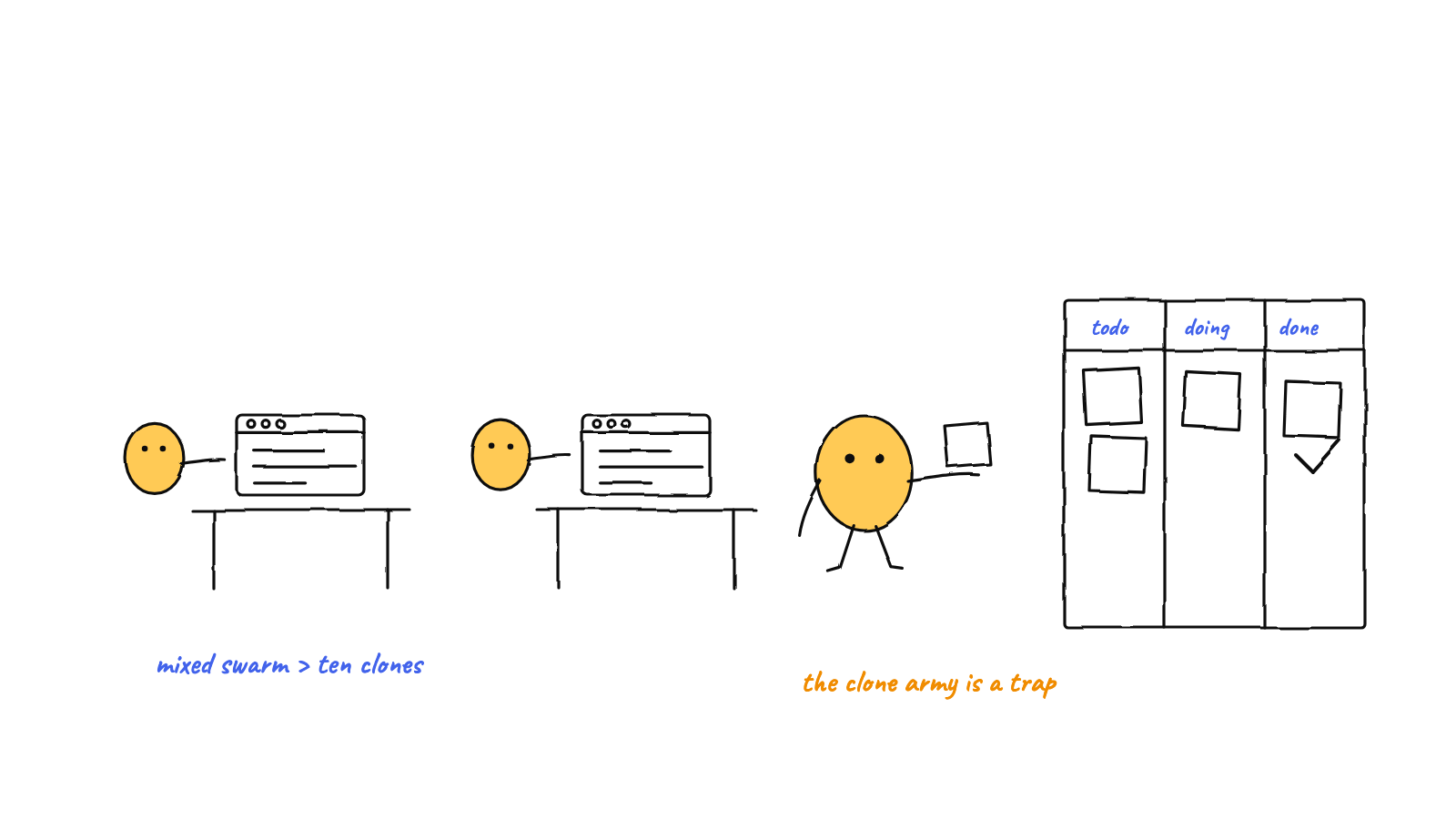
Spinning up tens of identical top-tier CLI agents feels powerful and burns tokens on work a cheaper agent could do. A mixed-capability swarm with shared memory wins on cost — and often on quality.
CLI agents are powerful because they have terminal-level access: they run builds, tests, and git, and verify their own work by executing it. Here's why that matters — and the concrete ways OFFYCE cuts token consumption while doing it.
OFFYCE v0.2.4 is here: Claude Code, OpenAI Codex, and Antigravity (Gemini) agents now run as one hive with full parity — no API keys, no setup. Brief a GOD orchestrator, automate basically anything in one prompt, and close the lid while it keeps working.
A comprehensive guide to every change in OFFYCE v0.2.4 — how the Codex lifecycle-hook bridge achieves full hive parity, what the Schedules tab adds, why tunnelmole replaced localtunnel, and what else shipped.
OFFYCE v0.2.0 is here: a Command Center overhaul, per-agent token budgets, live OpenTelemetry observability, a circuit breaker, durable SQLite persistence, and a big round of community fixes.
A fair 2026 field guide to the best AI coding agents — Cursor, Aider, Cline, Devin, Copilot — by category, plus where a local multi-agent hive fits.
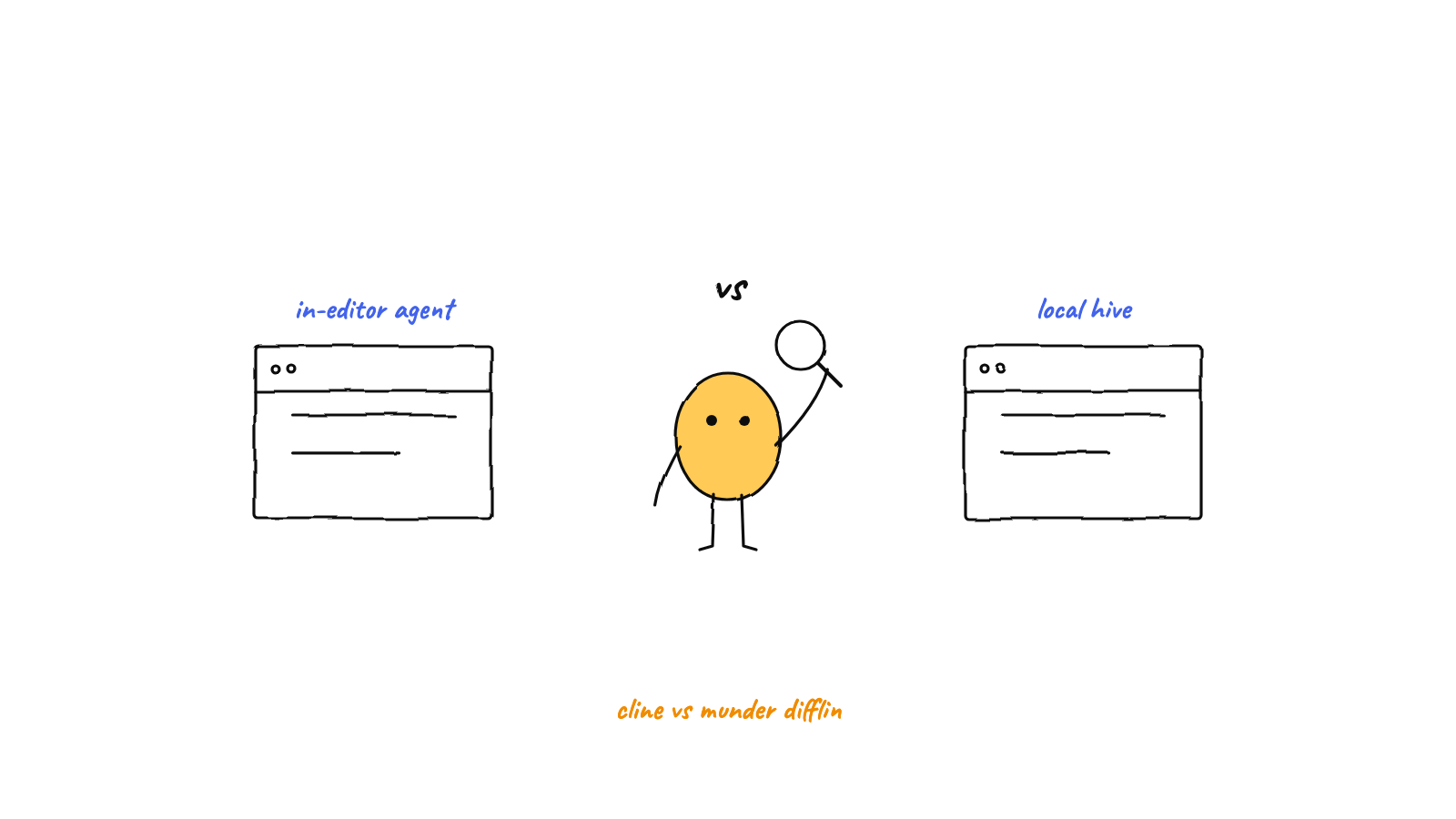
A fair comparison of Cline and OFFYCE — an in-editor BYOK coding agent vs a local multi-agent orchestration hive — and when to pick which.
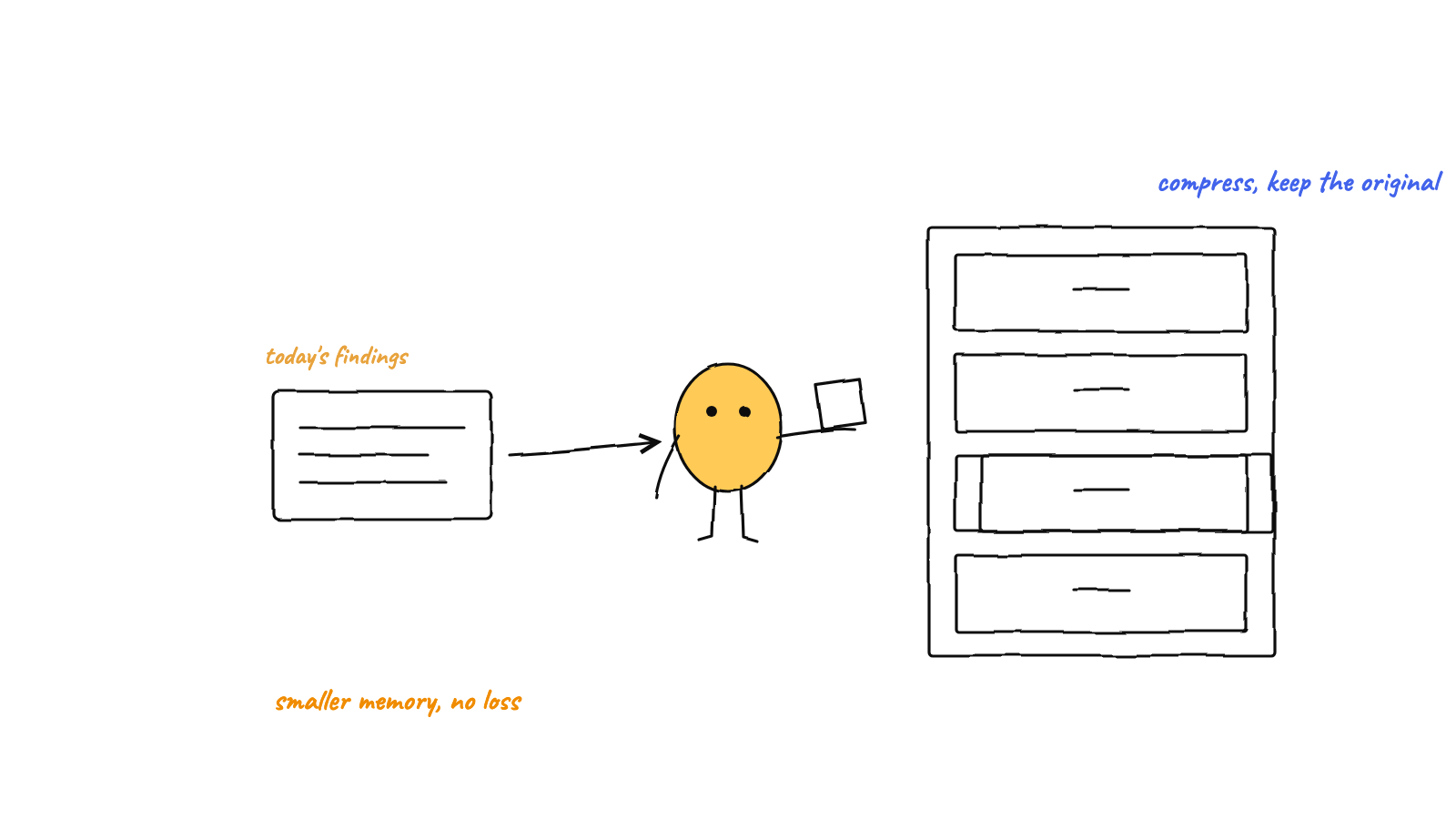
How and why to compress an agent's long-term memory: the toolbox, the lossy trap, and keeping a lossless original beside a compact copy.
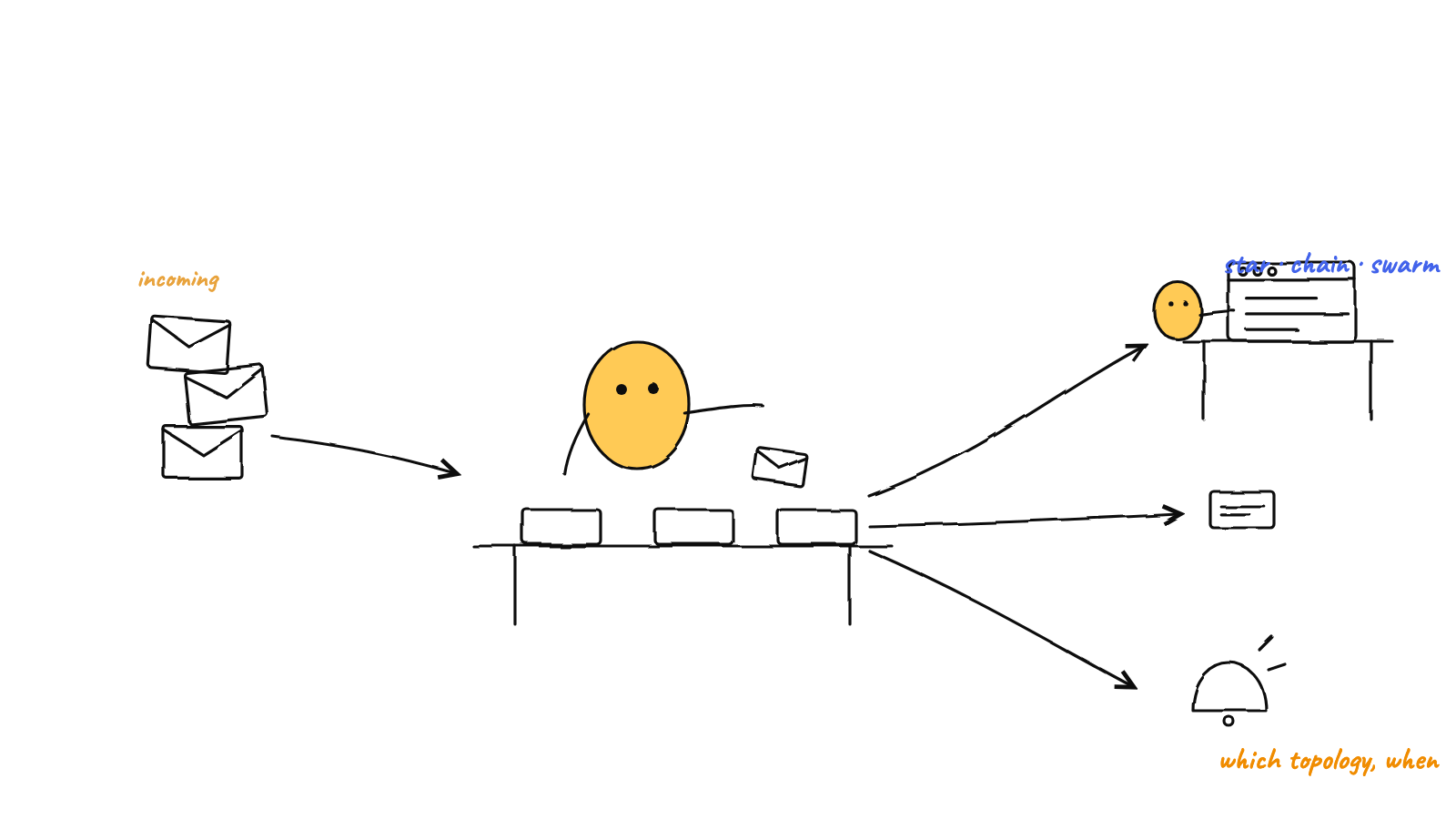
The multi-agent orchestration patterns — orchestrator-worker, pipeline, fan-out, debate, swarm, blackboard — when to use each, and when one agent wins.
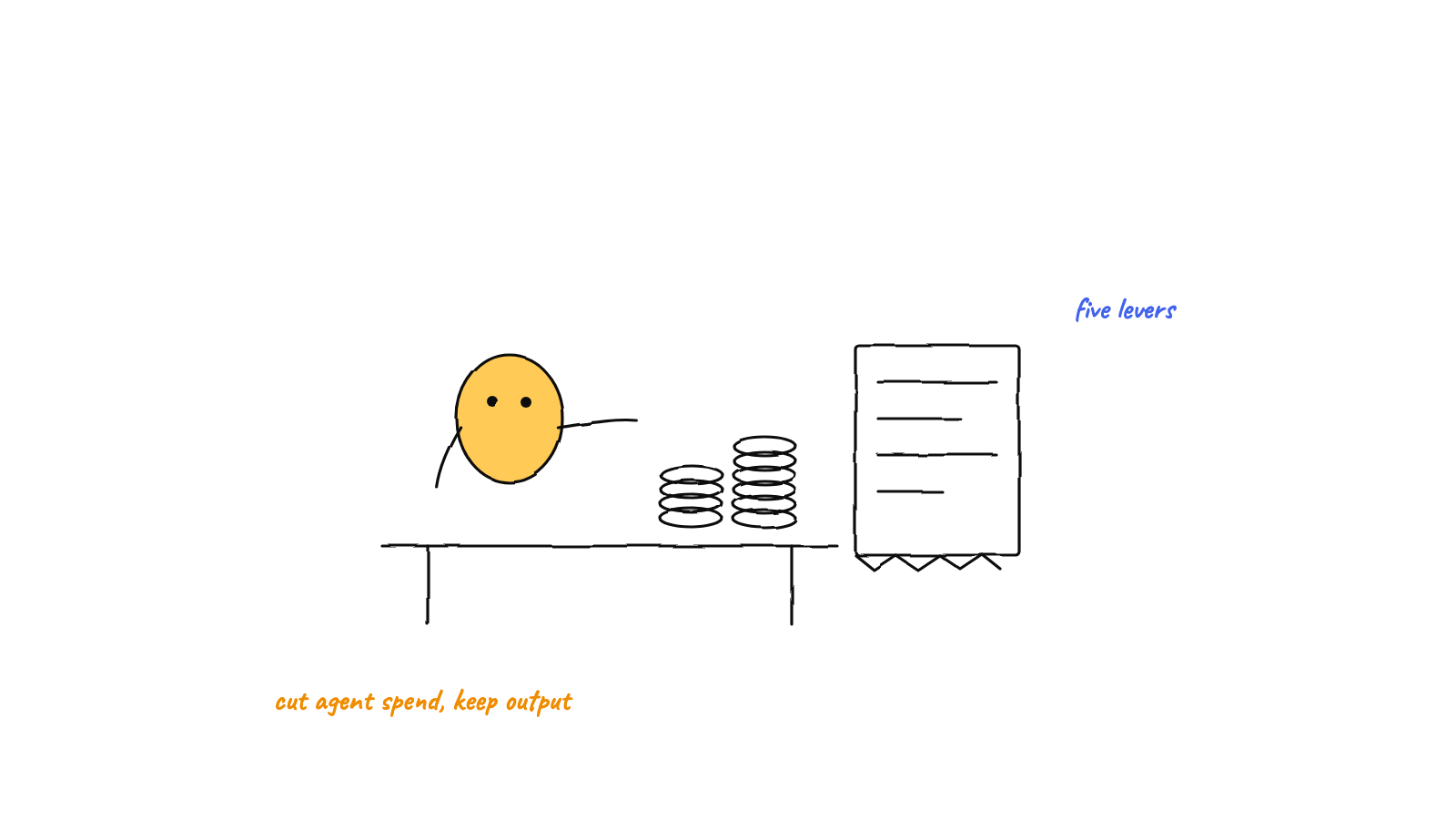
Caching, batching, model tiering, context discipline, local-first — the five levers that cut a multi-agent fleet's bill, and how they compound.
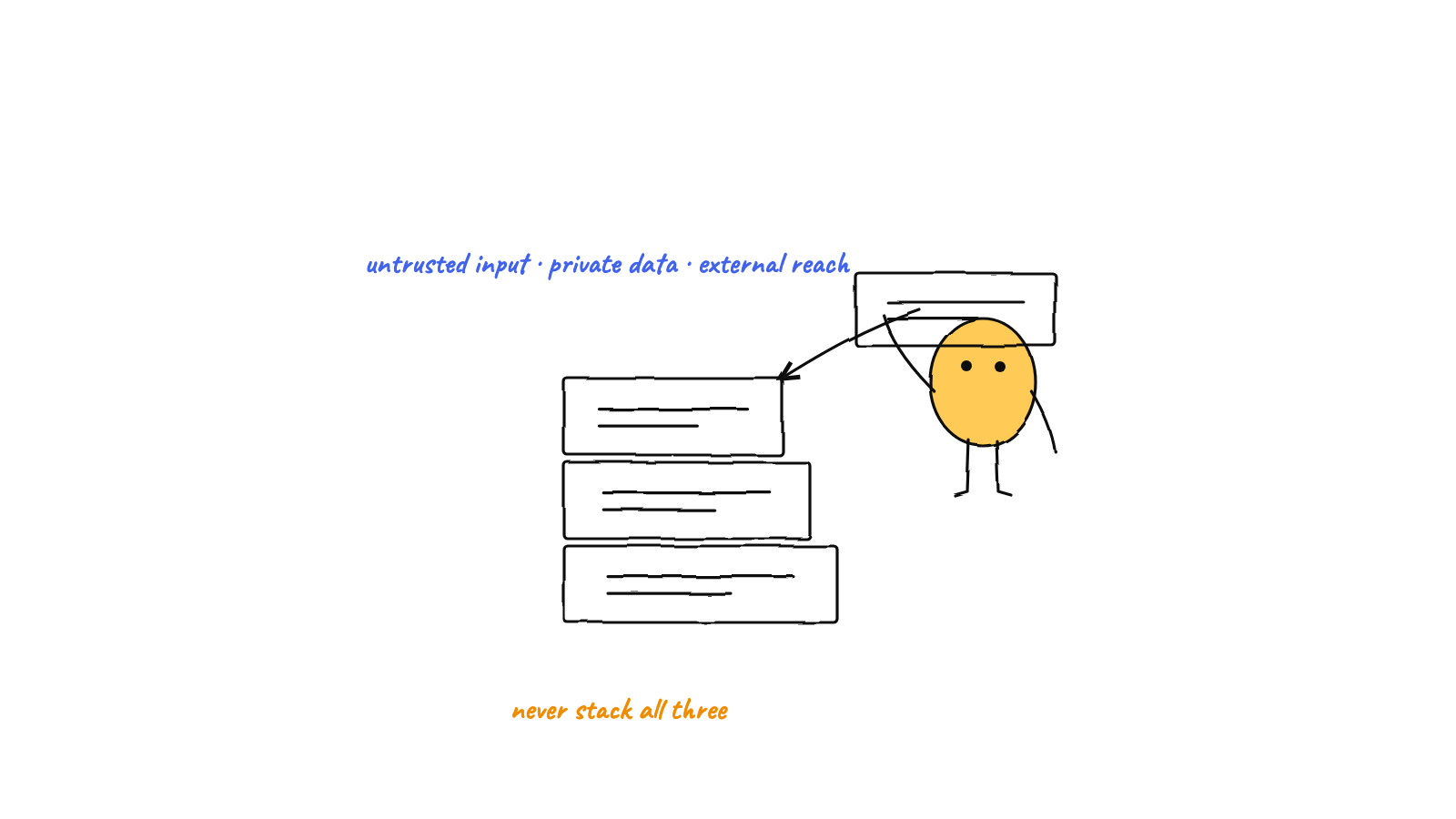
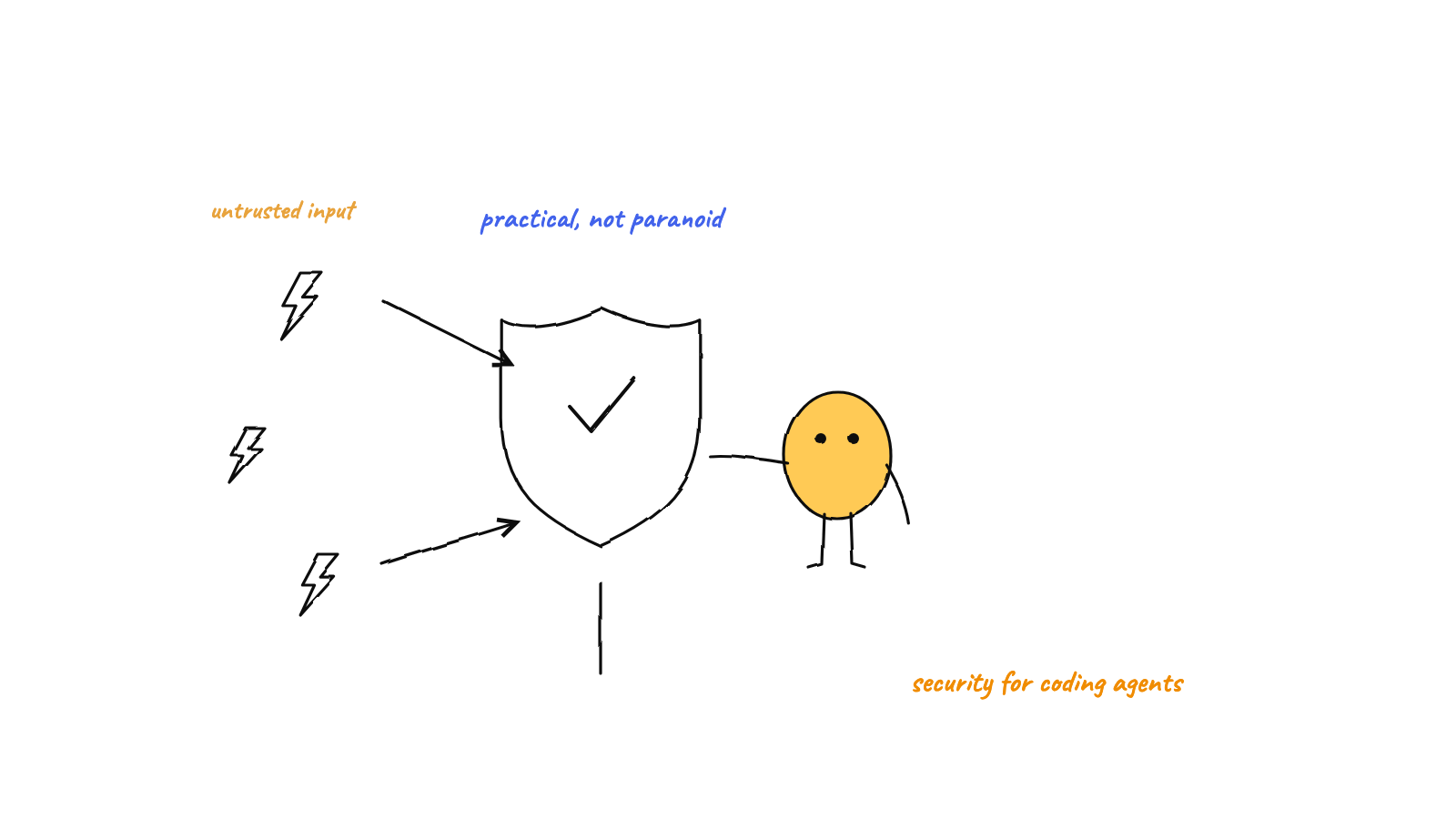
Meta's Agents Rule of Two for coding agents: don't let one session combine untrusted input, private data, and external reach at once — or supervise.
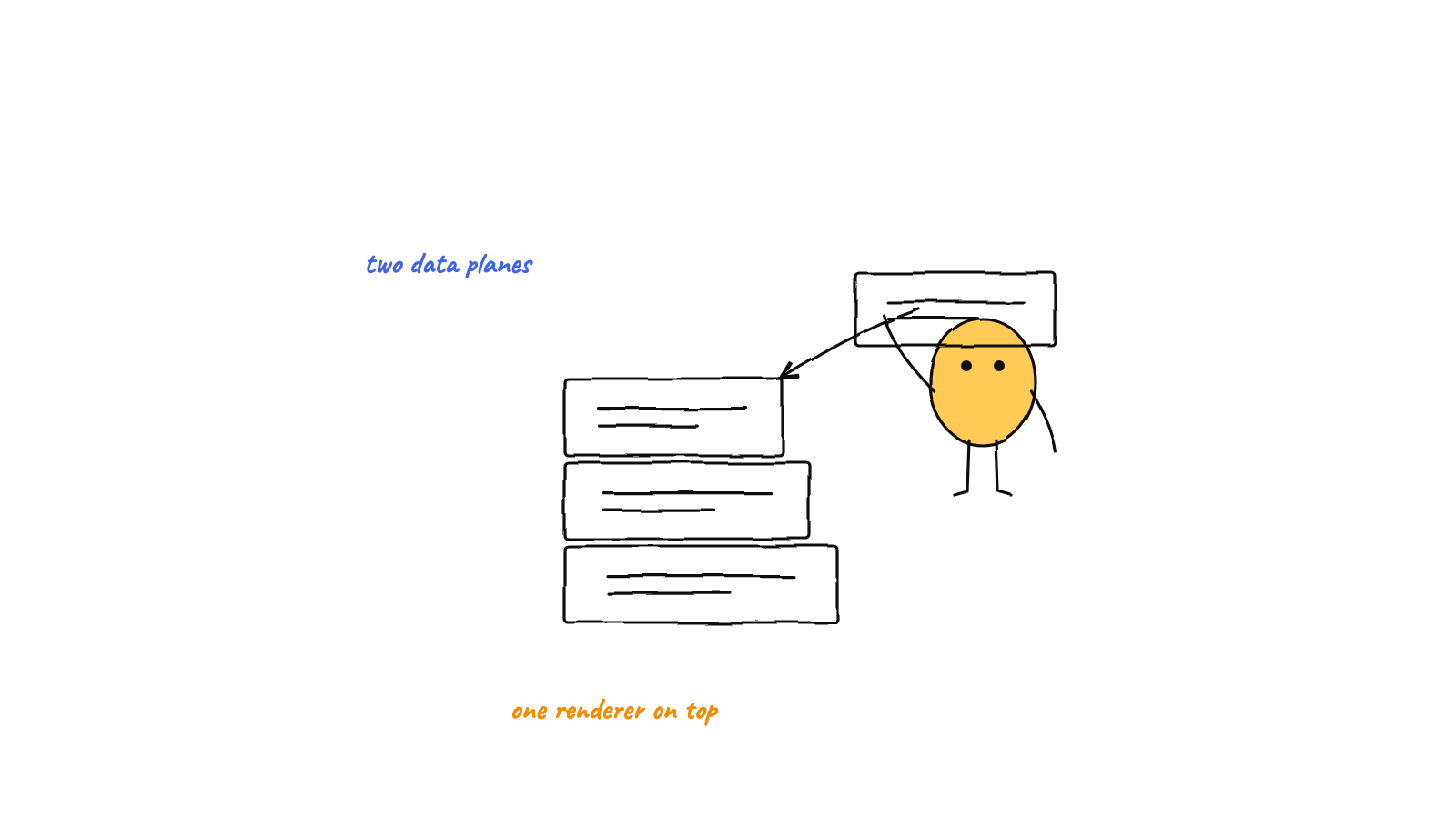
A walkthrough of the multi-agent harness architecture: a node-pty terminal plane and a hooks/hive event plane feeding one React + Pixi.js renderer.
An honest 2026 roundup of tools to run multiple Claude Code agents — Claude Squad, Conductor, Crystal, vibe-kanban, and OFFYCE — compared.
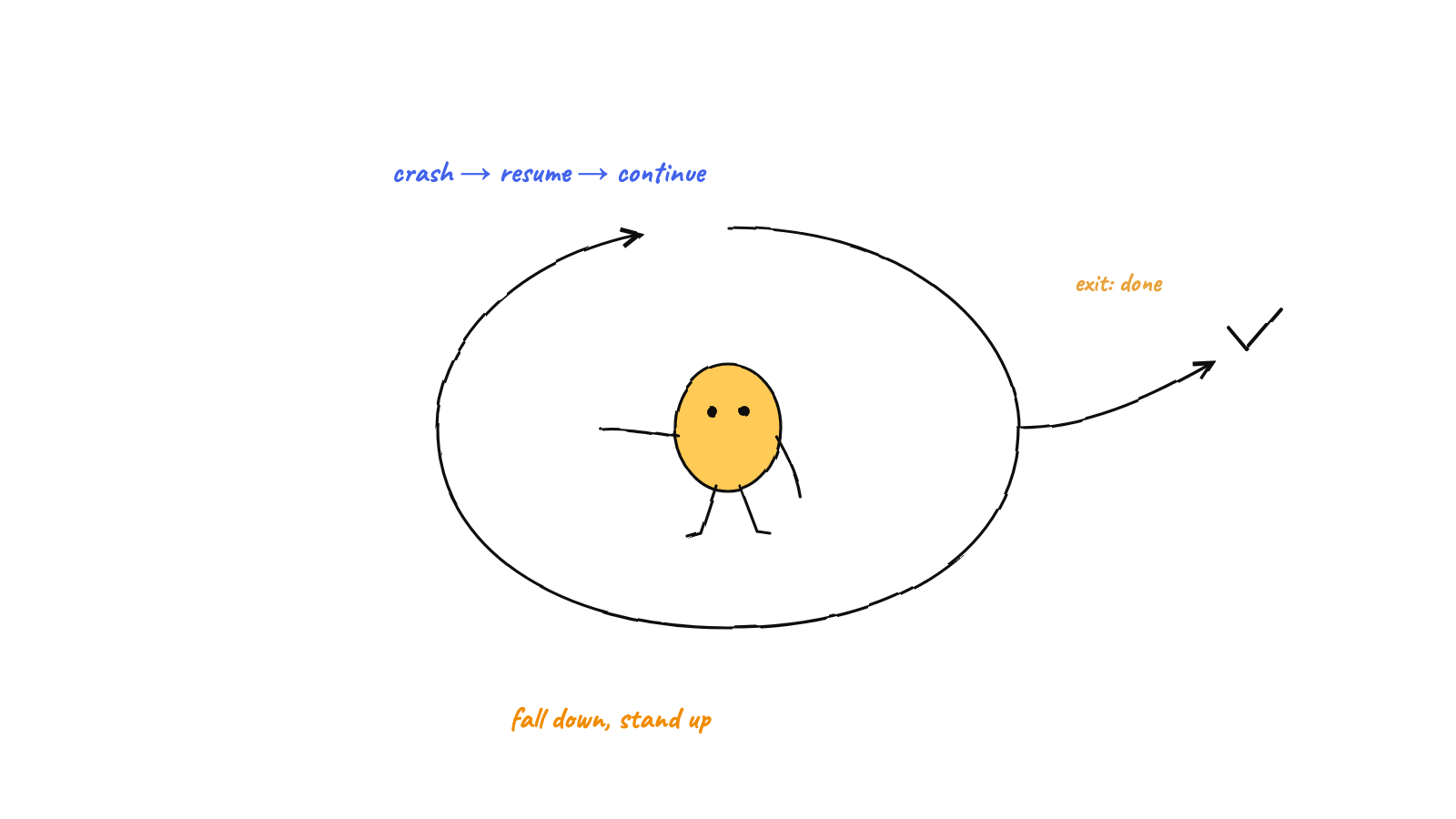
Agents fail constantly: tools error, steps stall, output goes wrong. Reliability isn't avoiding failure — it's making each one contained and recoverable.
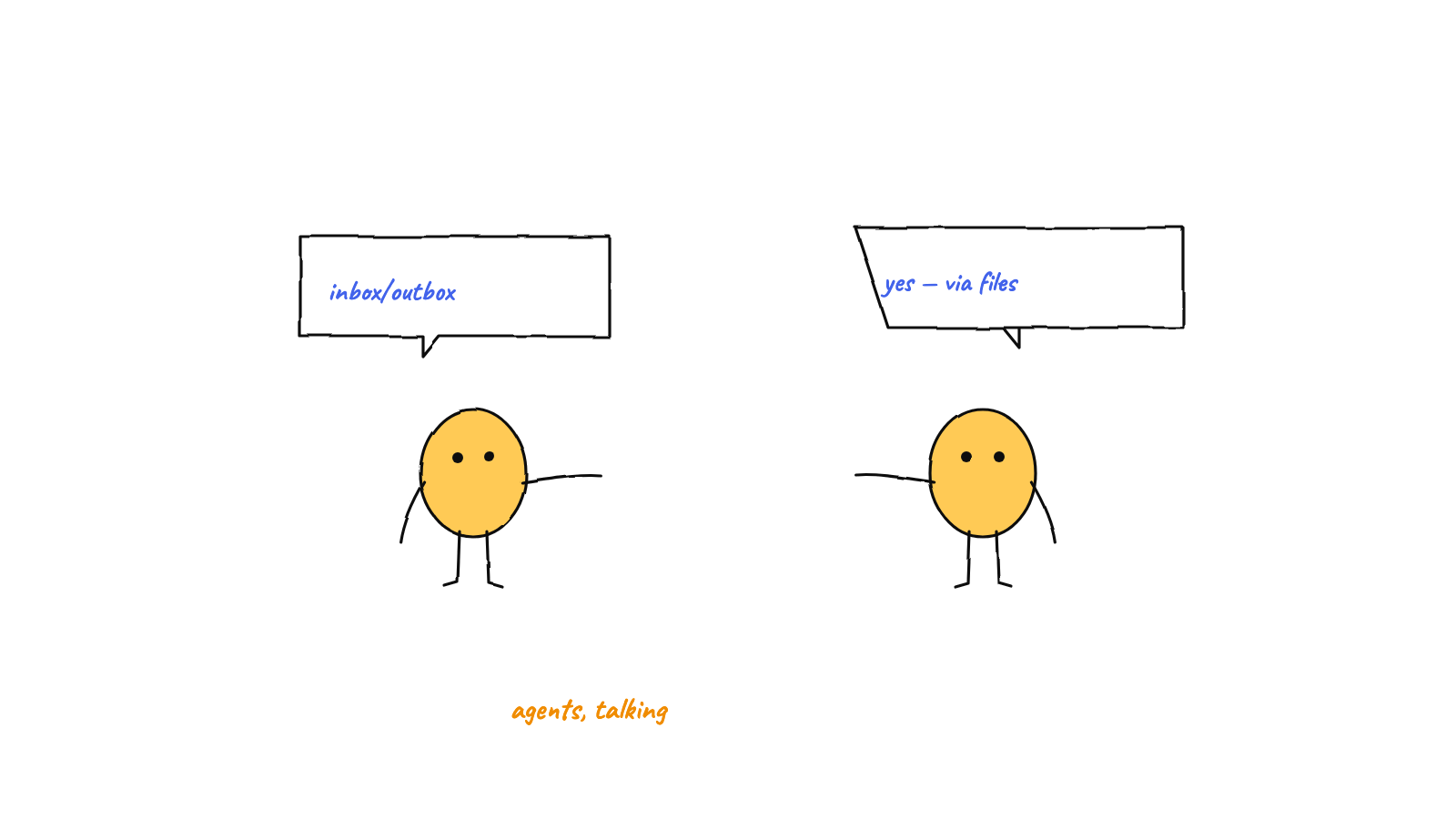
Can Claude Code agents talk to each other? By default they report to their launcher — but a small coordination layer lets them message peer-to-peer.
Claude Code git worktrees vs a hive: when isolated worktrees suffice for parallel agents, and when you need memory, messaging, and an orchestrator on top.
Claude Squad vs OFFYCE: a lean terminal session manager against a memory-backed, orchestrated, visual hive. Feature table and an honest verdict.
Why context engineering beats prompt wording for agents — and the tactics (isolation, retrieval, externalized state, compaction) that keep the window lean.
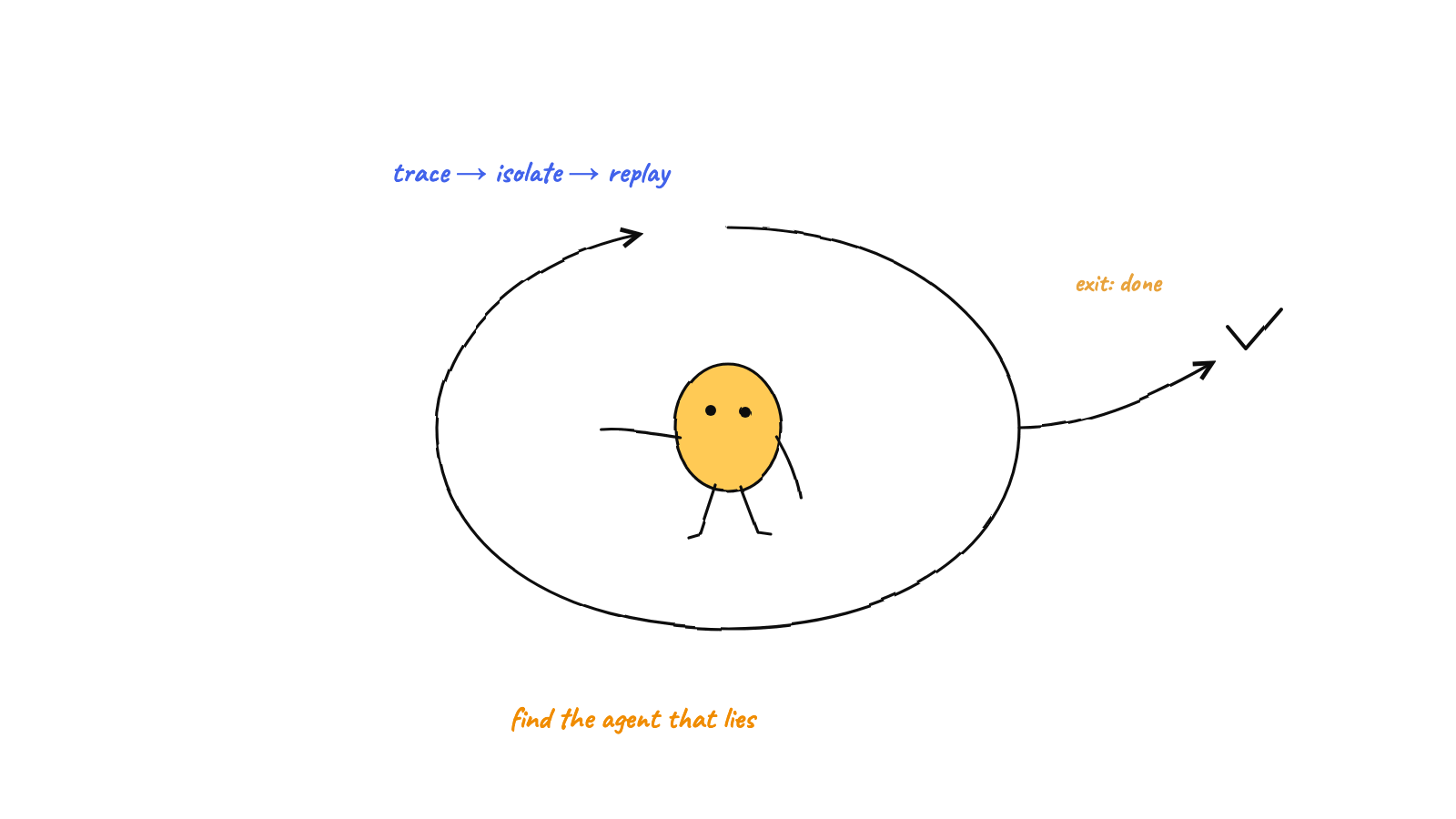
How to debug a multi-agent system: use the event log, per-agent terminals, message trails, and git history to find why a hive of AI agents went sideways.
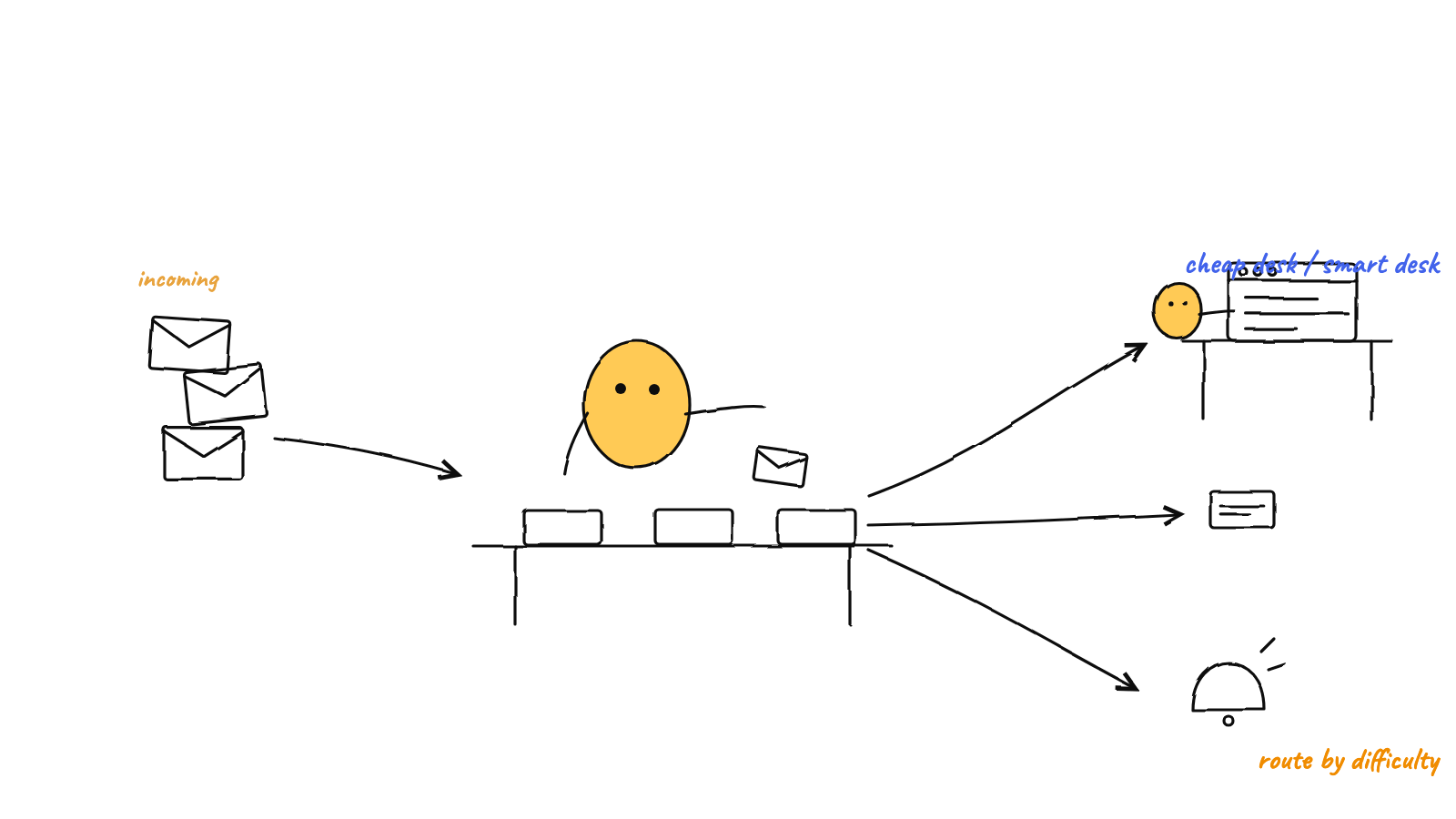
Why a hive of agents shouldn't all run the biggest model — and how routing the right task to the right model cuts cost and latency without losing quality.
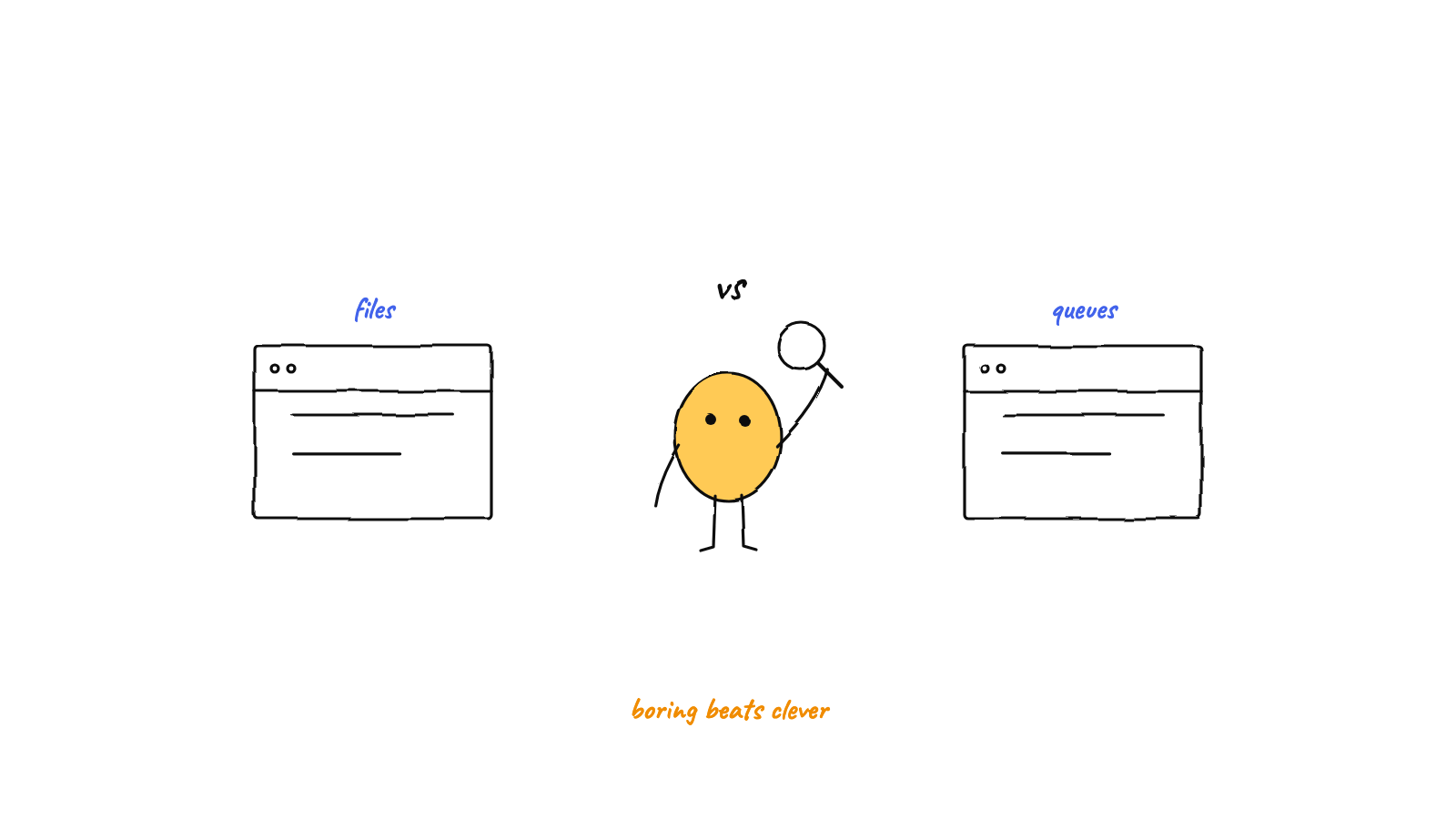
Why a local agent hive coordinates through plain files, not Redis or RabbitMQ: the zero-ops wins, the real tradeoffs, and where files hit a ceiling.
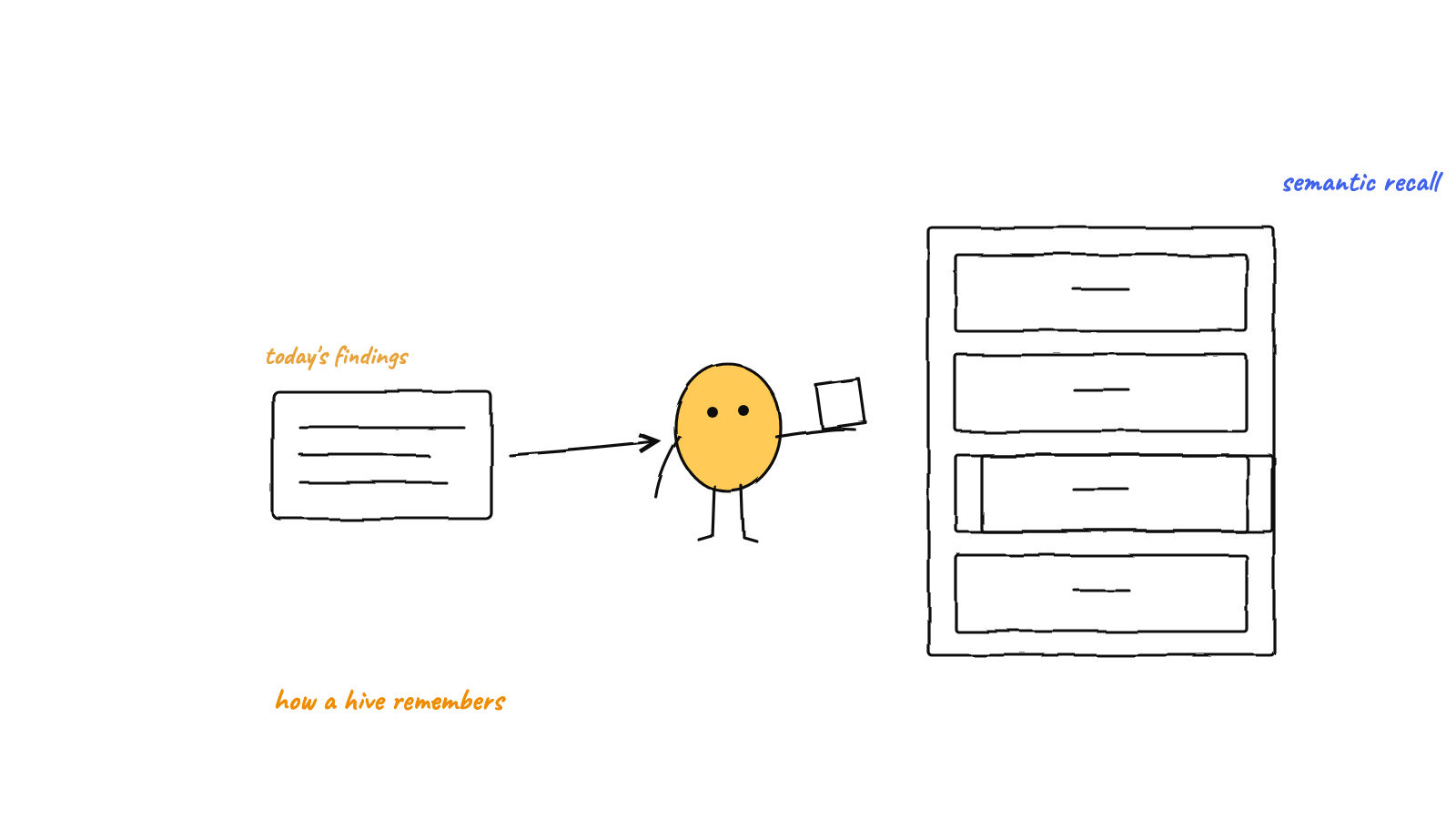
A code-grounded guide to how AI agents remember — the MemPalace mine loop, per-agent wings, and wake-up digest that give a Claude Code hive shared recall.
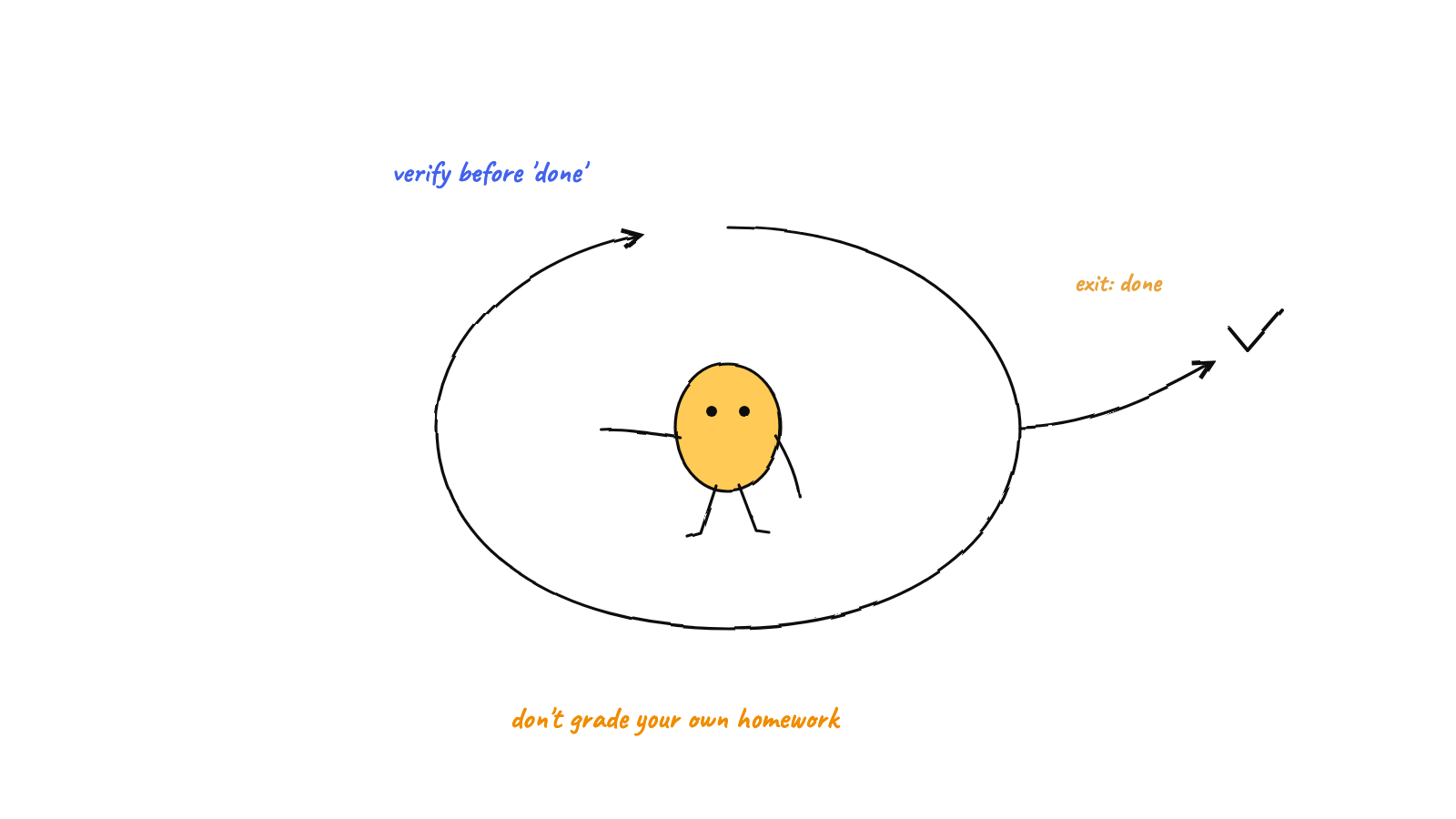
The discipline that makes an autonomous coding agent trustworthy: prove every claim, reproduce the green, and check the fix — not just the intent.
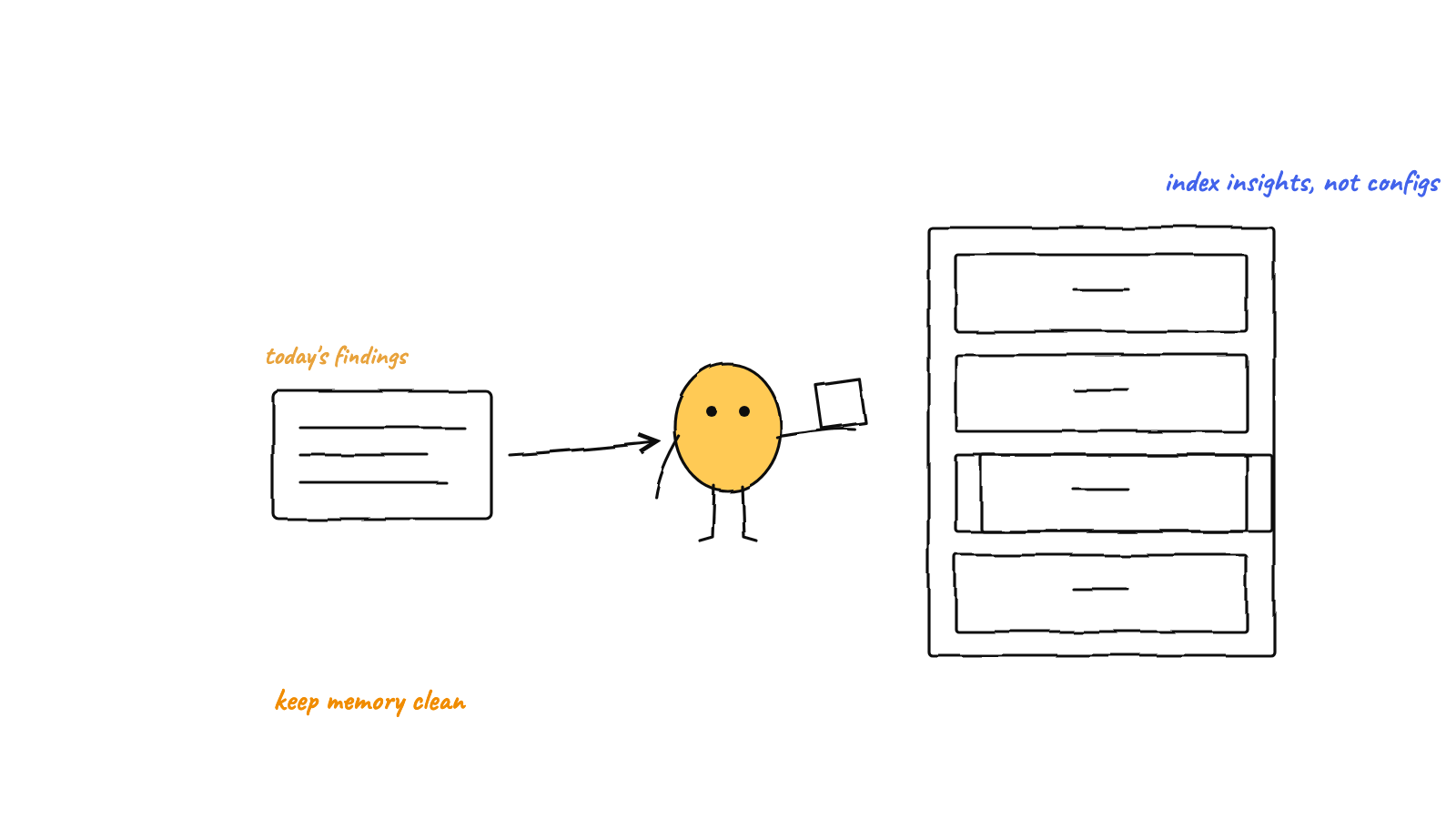
A semantic memory layer is only as good as what you feed it — how an agent's recall got swamped by config and logs, and the .gitignore + prune fix.
How local-first AI agent orchestration works under the hood — the loop, mailboxes, scheduler, and audit log that coordinate a hive on one machine.
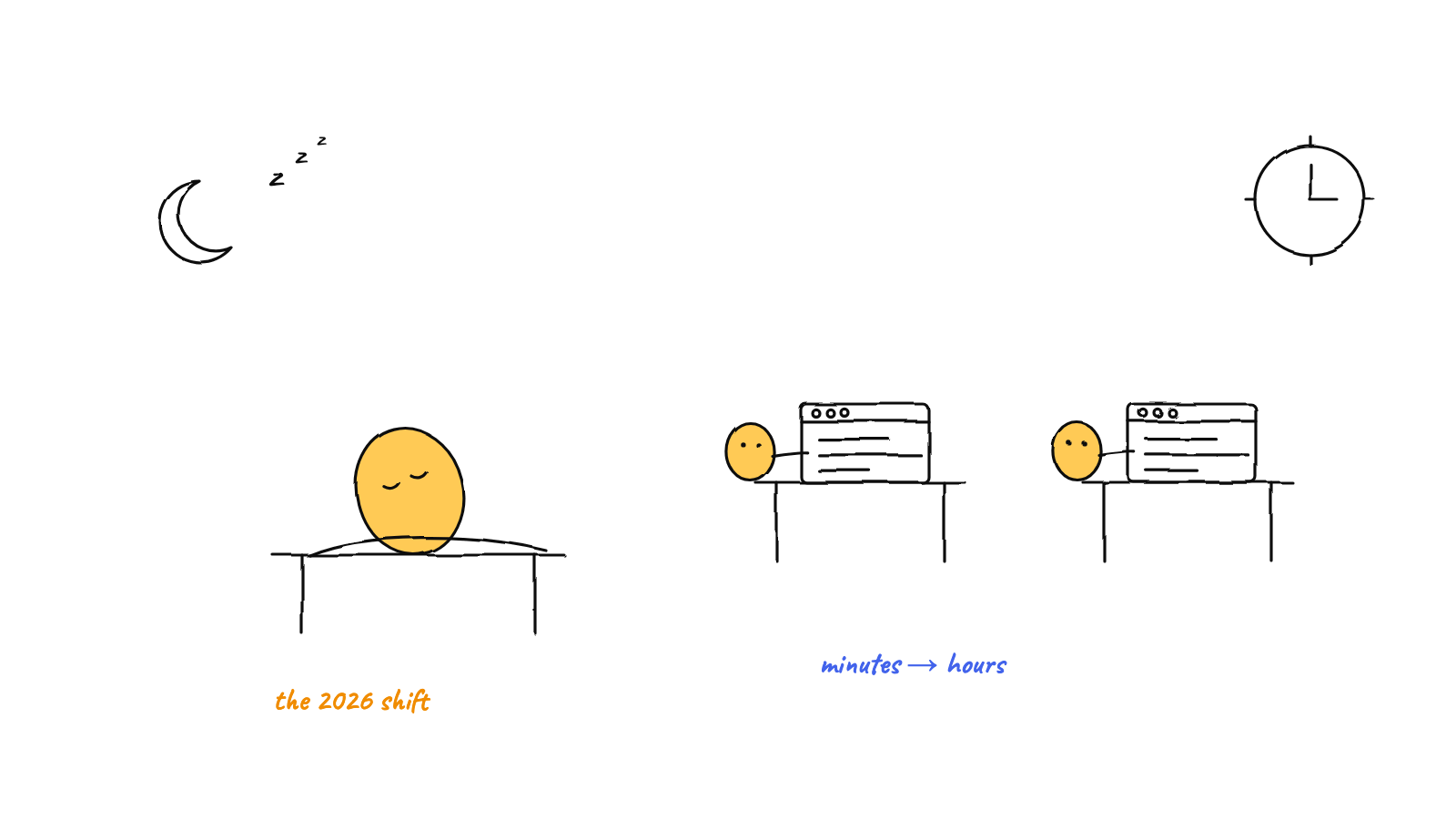
Agents used to answer in seconds; now they run for hours. The data behind the shift — and why a longer agent is a different problem, not just a bigger one.
Agent fleet observability: the four questions your dashboard must answer about who's working, what they're doing, what it costs, and what they know.
Agents touch your code, keys, and memory. That's why agent tooling should be open source and local-first — so you can verify it, not just trust it.
An honest look at letting AI coding agents run overnight — what works today, where guardrails matter, and what still needs a human in the morning.
An agent re-sends the same prompt, tools, and context every turn. Prompt caching makes you pay for that prefix once — here's how to design for it.
How multi-agent systems survive partial failure: retry with stale-lock recovery, poison-message quarantine, hop-cap circuit breaking, idempotent handling.
How to run AI coding agents safely: contain the blast radius, scope every task, treat agent input as untrusted, and gate the irreversible behind a human.
How a small team adopts a hive of AI coding agents without chaos — the roles to assign, the cadence to run, and the guardrails that keep it safe.
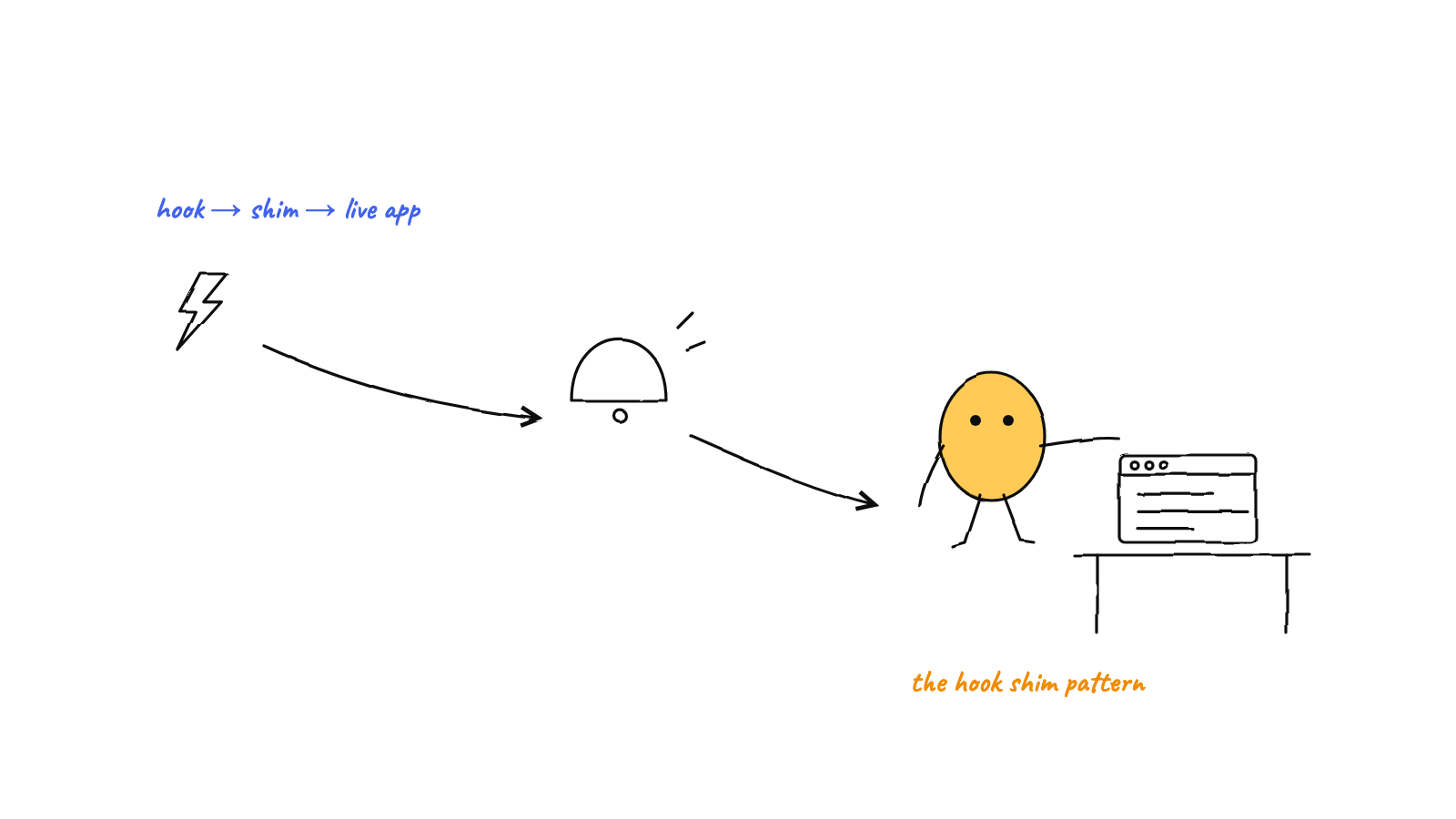
How a tiny shim bridges Claude Code's lifecycle hooks to one live process over a Unix socket, turning per-event hooks into a telemetry and control channel.
A grounded June 2026 roundup of agentic AI: Claude Opus 4.8, the MCP and A2A protocol layer, usage-based agent billing, and agent governance.
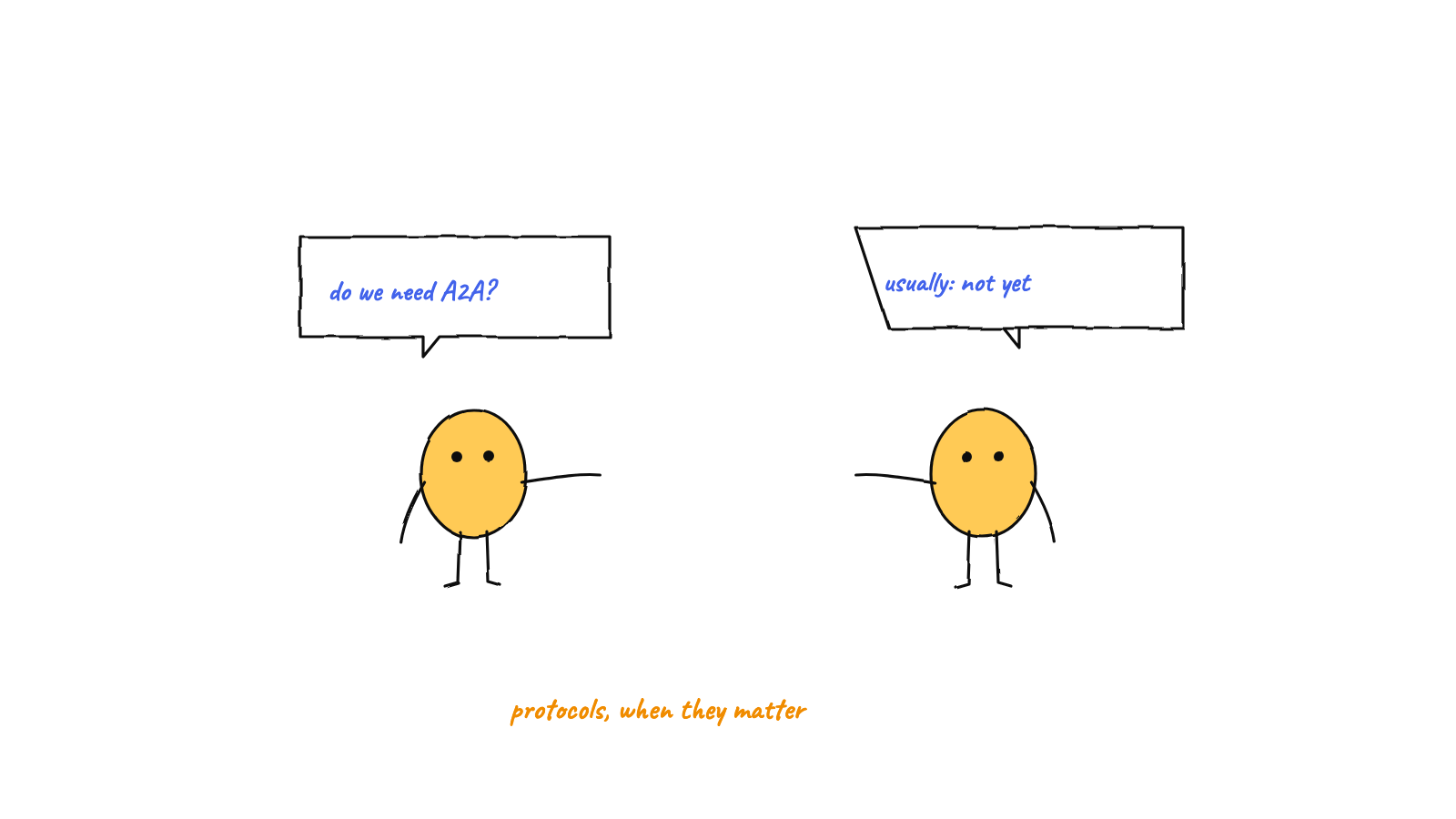
When do AI agents need a protocol like MCP or A2A? Agents you own coordinate fine with file mailboxes; protocols earn their keep across boundaries.
What Claude Squad does well, where it stops, and why a memory-backed, orchestrated hive may be the Claude Squad alternative you're after.
vibe-kanban gives you a board to assign tasks to coding agents. When a self-routing hive is the better vibe-kanban alternative — and when a board wins.
Plain-English definitions of the AI coding agent terms everyone trips over — harness, orchestrator, hive, subagent, agent memory — each in one line.
The workflow shift from a single Claude Code session to a coordinated team of agents — what changes, where it breaks, and the concrete before-and-after.
A decision framework for choosing a multi-agent coding tool — memory, control, visibility, cost, local-first — with a simple scoring rubric you can run.
Design human-in-the-loop AI agents that stay autonomous: an approvals queue that escalates only spend, destructive ops, and scope changes.
Answers to the top OFFYCE questions — what it is, is it free, does it run locally, which platforms, and how it differs from many terminals.
What it takes to run a self-coordinating office of AI coding agents that keeps shipping after you log off — and the guardrails that keep it sane.
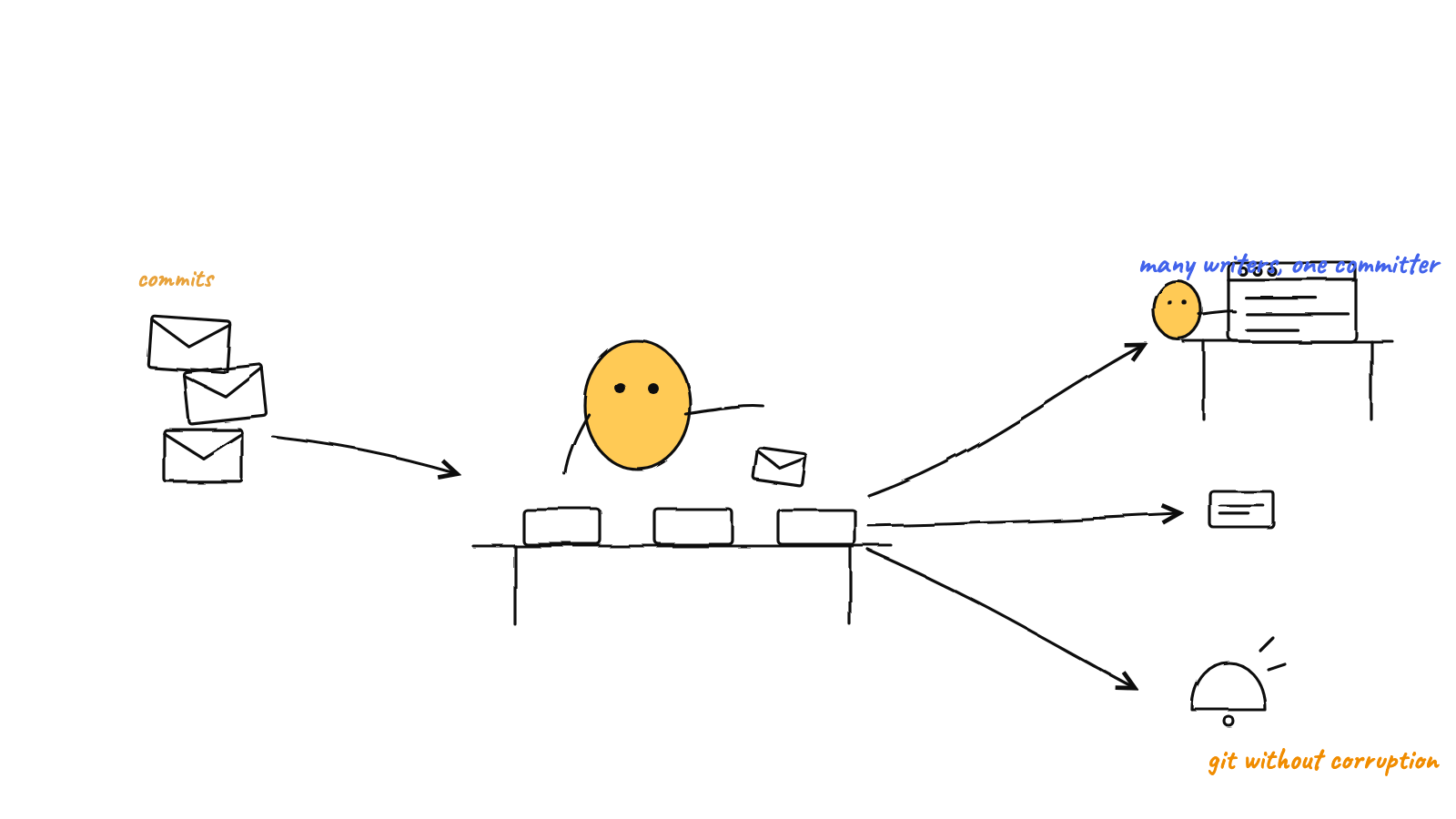
Parallel agents corrupt a repo with index.lock races. The single-committer pattern — agents write, one process commits — fixes concurrent git writes.
Claude Code agents explained in plain English — what an agent actually is, how subagents differ, and the leap from one agent to a coordinated team.
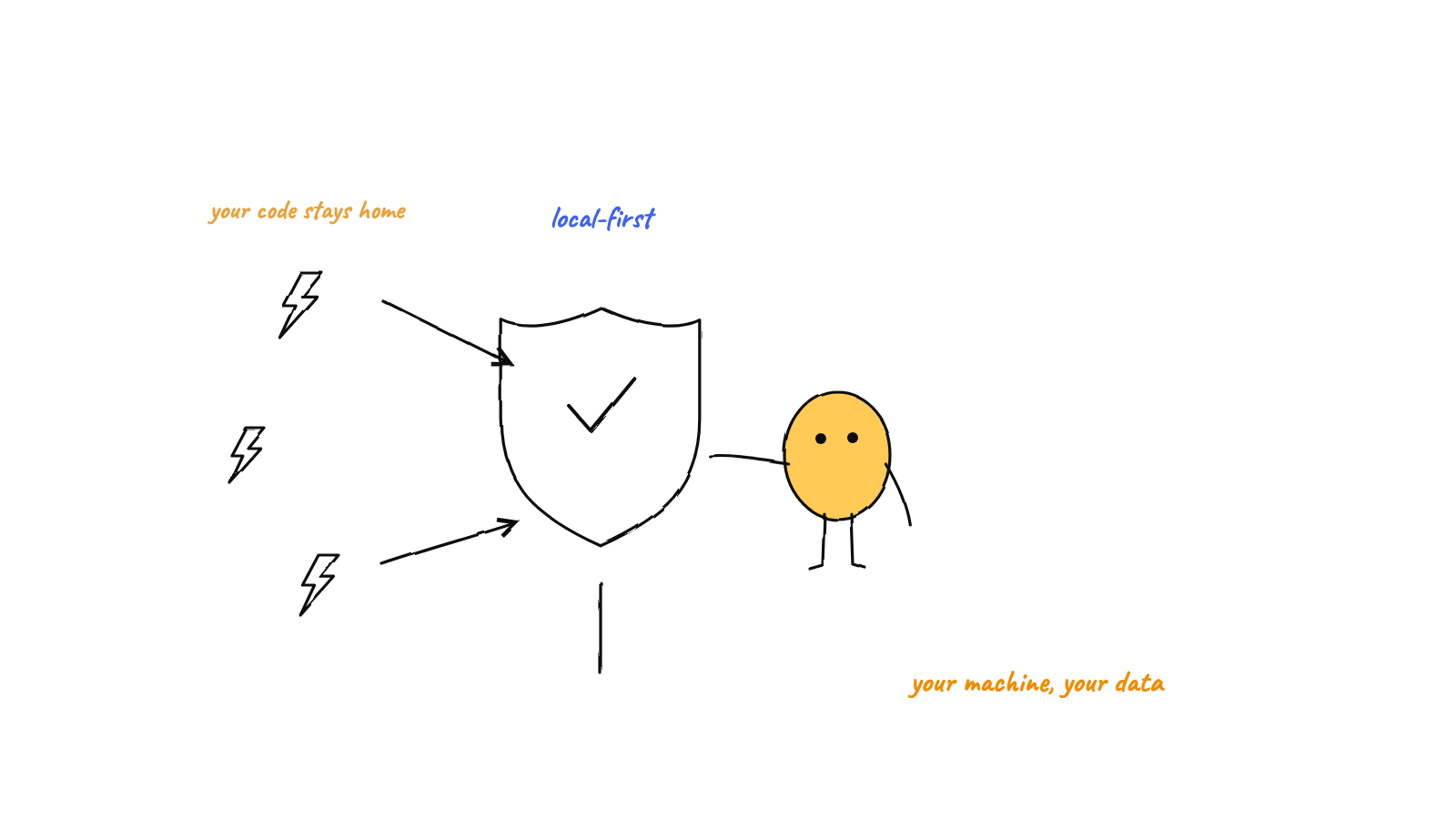
The control, privacy, and cost case for keeping your AI agents and their memory on your own machine — and what cloud orchestration quietly costs.
The origin story of OFFYCE — how the pain of juggling Claude Code terminals led to a coordinated, memory-backed hive of agents you can watch.
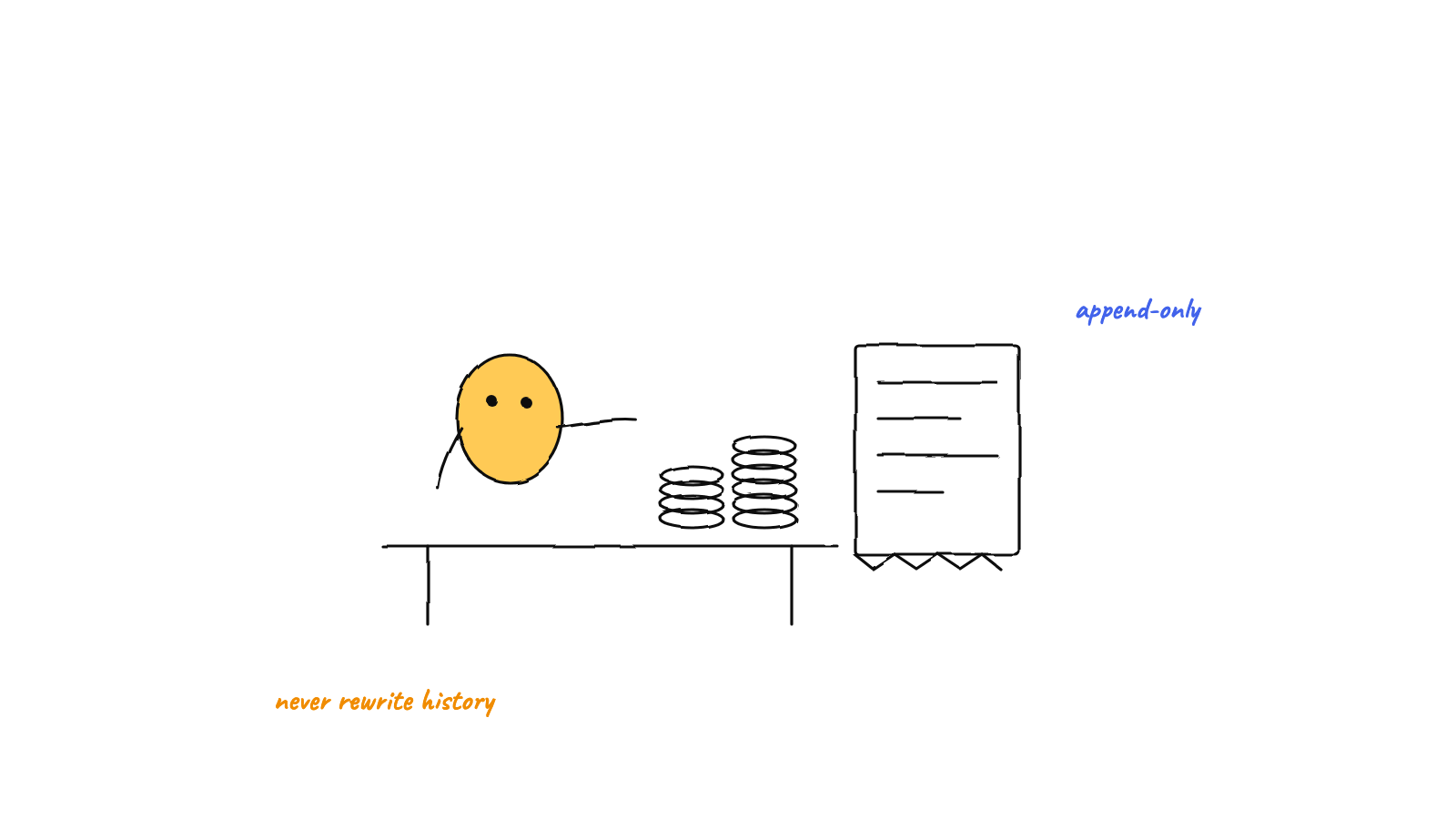
How an append-only event log makes a multi-agent system debuggable and replayable: what to record, and why one JSON line per event beats a database.
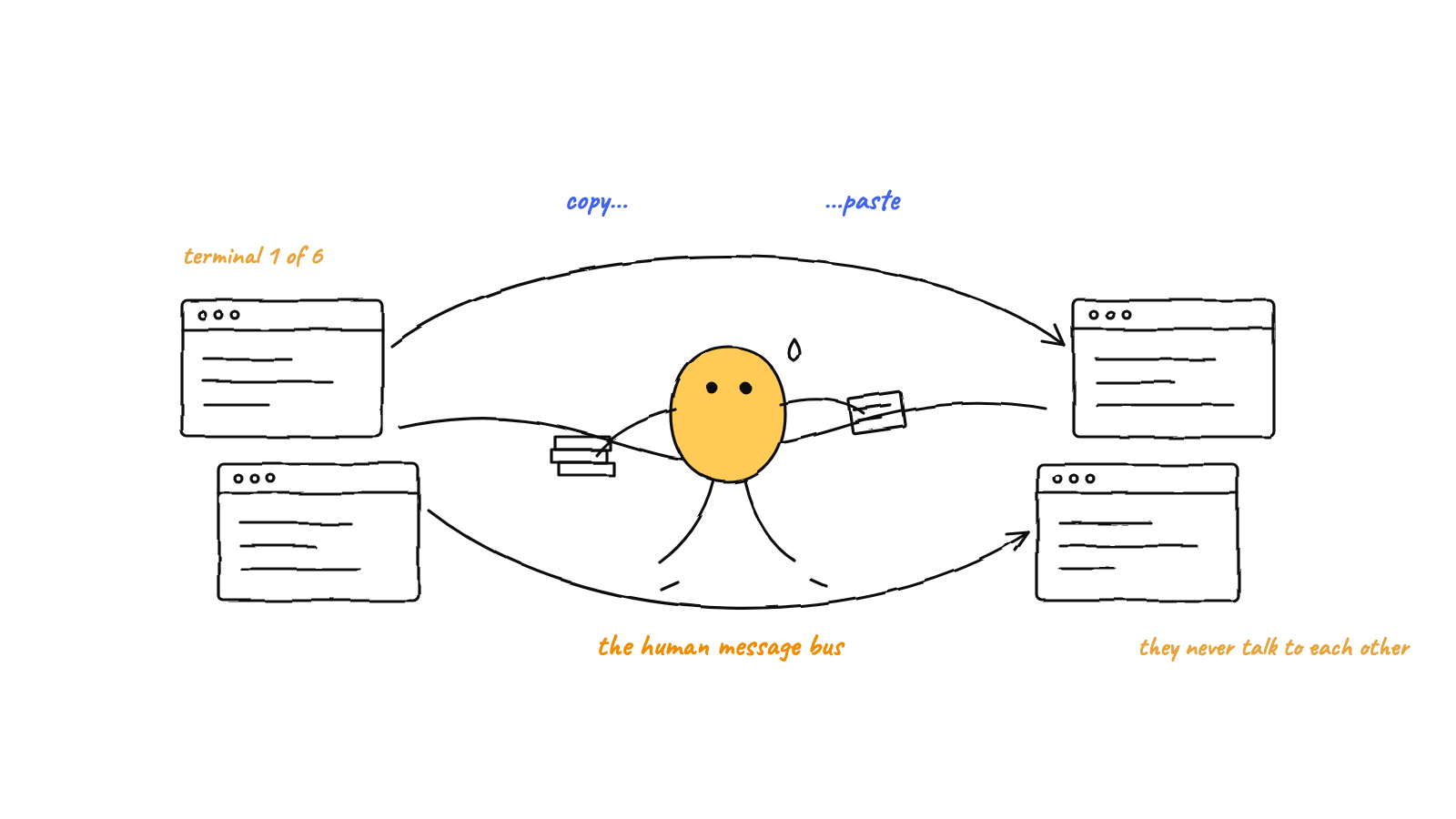
Run several Claude Code agents in parallel without the chaos: give each a role, let them coordinate, and stop alt-tabbing between terminal windows.
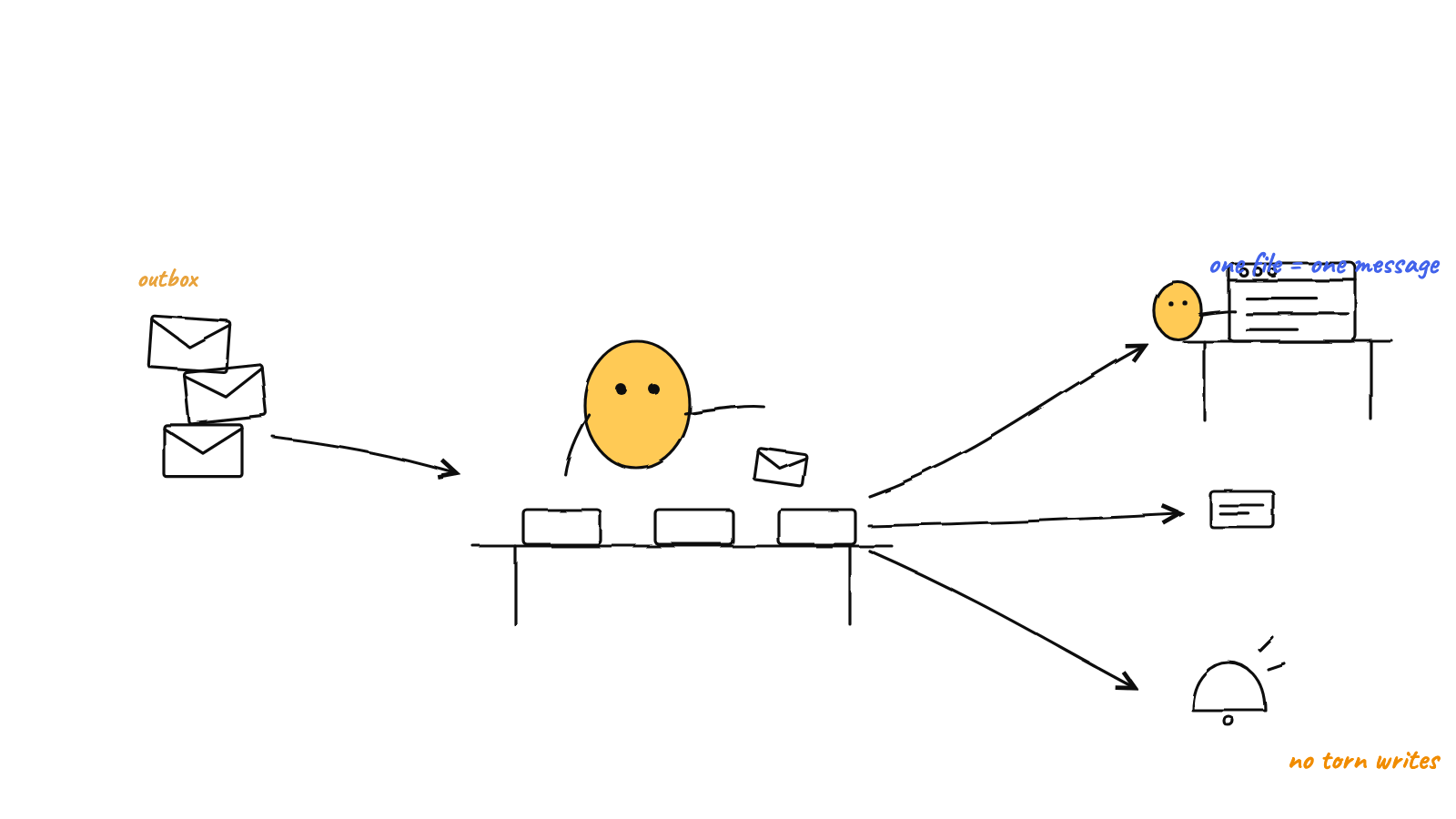
Can Claude Code agents talk to each other? Yes — the outbox-router-inbox design that lets agents message safely using plain files and atomic renames.
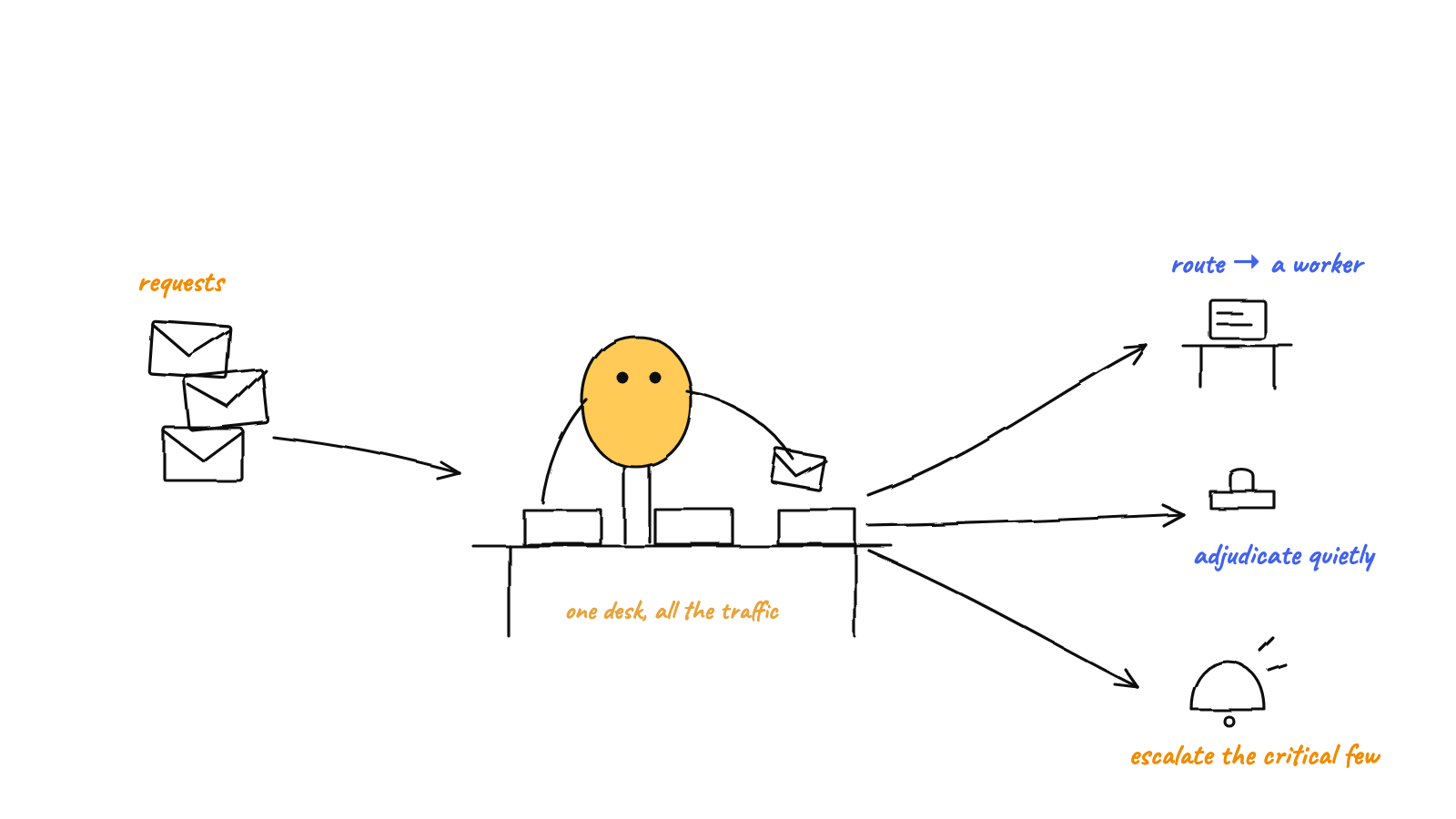
A deep dive into the Claude Code orchestrator: how a GOD agent reads requests, routes work, adjudicates routine traffic, and escalates the critical few.
The best way to coordinate AI coding agents: single-writer files, a message router, a one-scribe plan, and an orchestrator — cooperate, not clobber.
How to orchestrate Claude Code agents in practice: what orchestration means, how a GOD orchestrator routes and escalates work, and how to wire it up.
Markdown-first AI agent long-term memory: plain notes a human can read and git can diff, with a semantic index on top that degrades gracefully.
What semantic memory for AI agents is, why a markdown-first store beats a heavy DB, and how a shared palace lets a hive recall a note by meaning, fast.
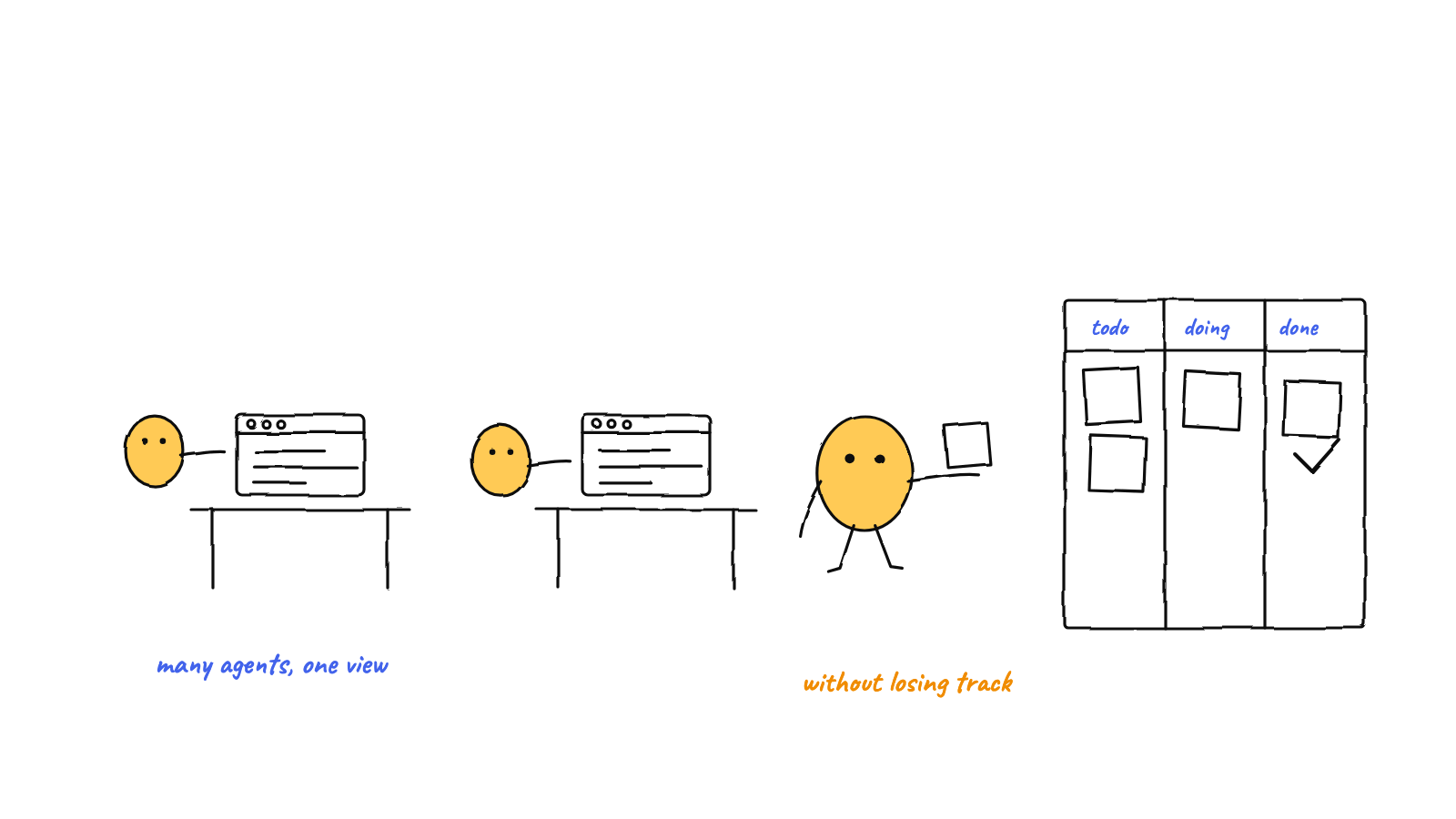
Tactics to manage multiple Claude Code sessions without losing track: naming, roles, context isolation, and when a harness beats juggling terminal tabs.
A from-zero Claude Code multi-agent setup: install OFFYCE, onboard, spawn a few agents, and watch the GOD orchestrator route your first task.
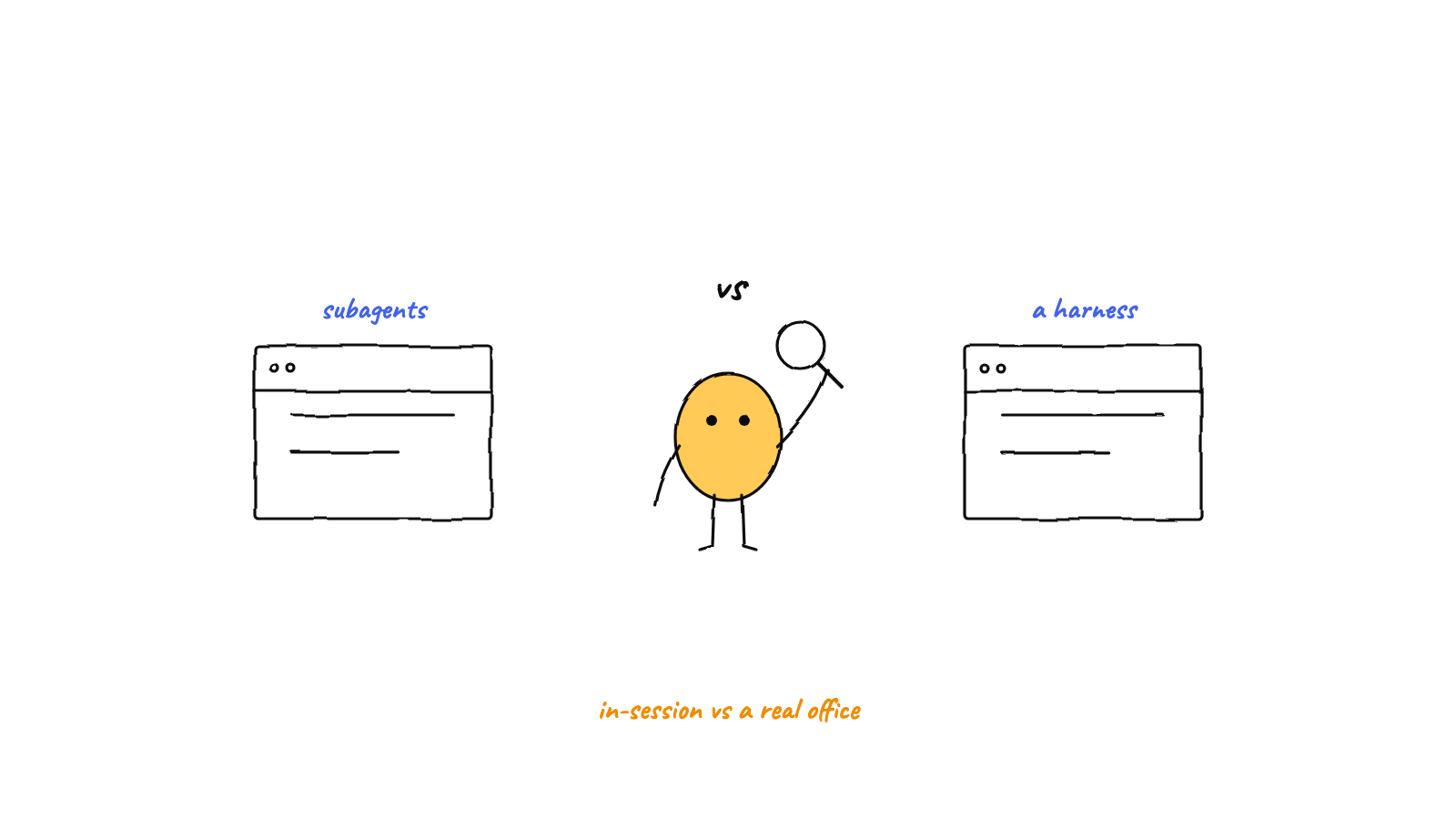
Claude Code subagents vs a multi-agent harness: where subagents stop and a harness with shared memory, messaging, and an orchestrator takes over.
A multi-agent harness coordinates several AI coding agents into one team — here's what that means, and how it differs from a single agent or a framework.